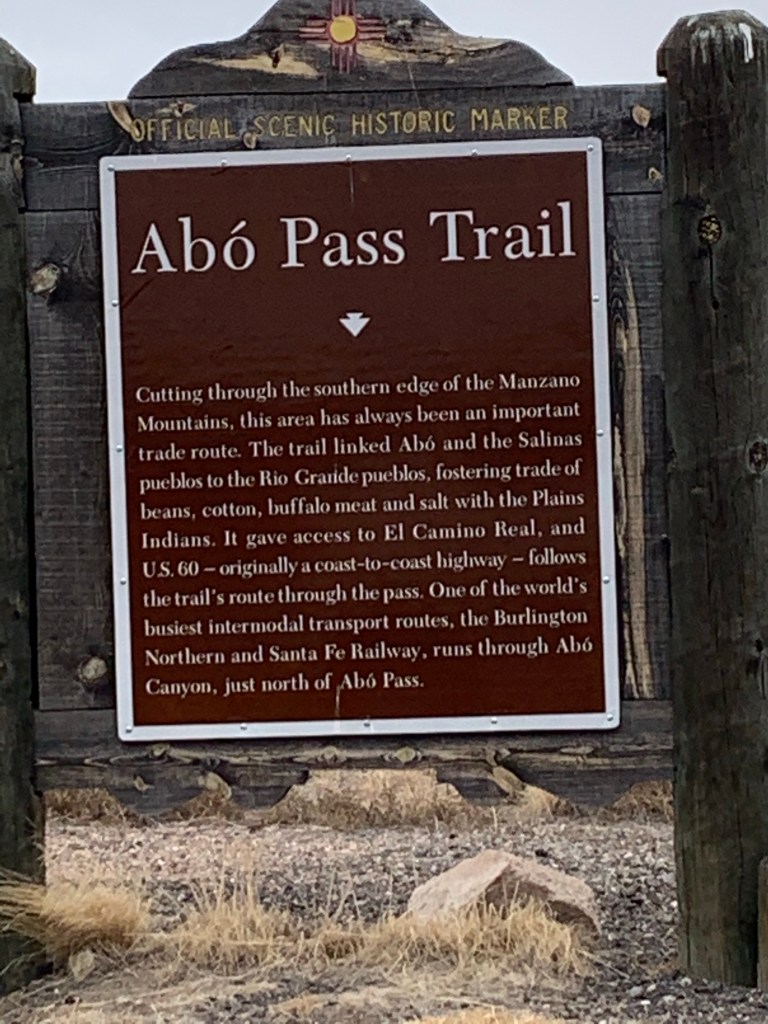
Grand River–People and Hearts At the Banks : A Pandemia Chronicle

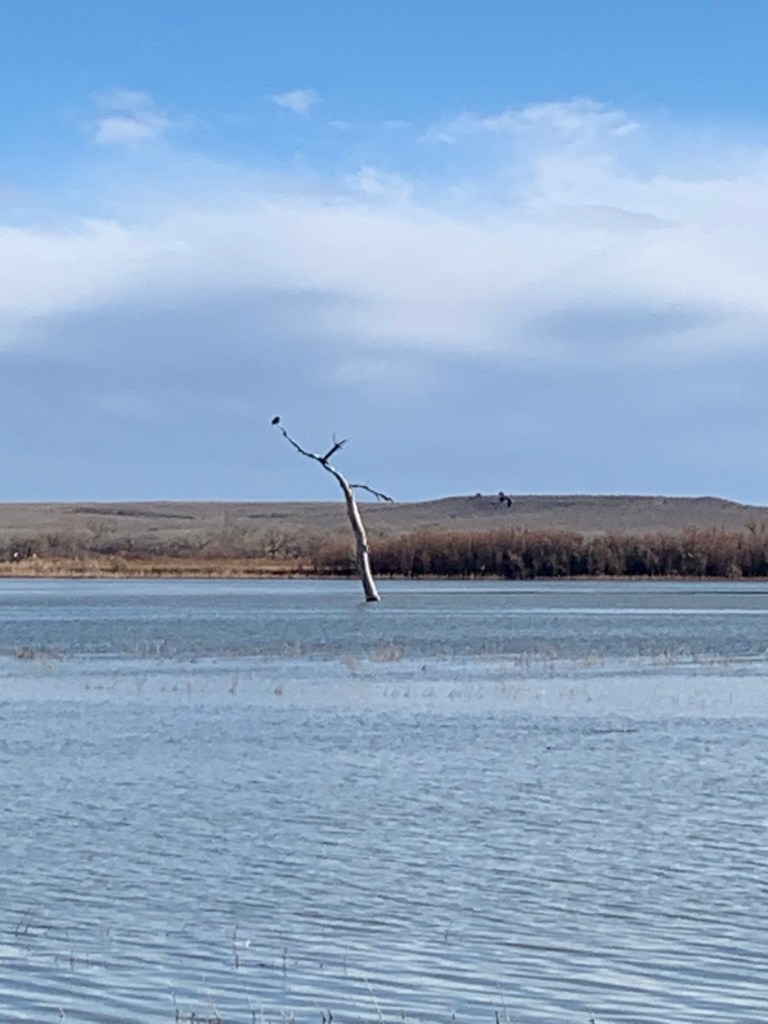
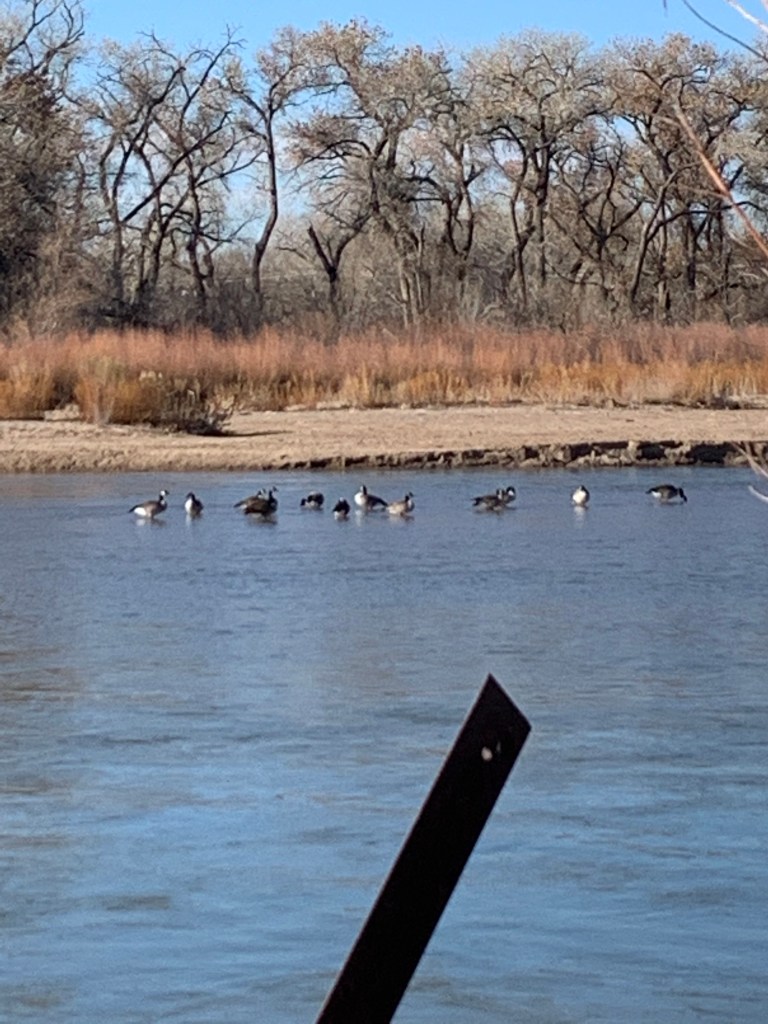
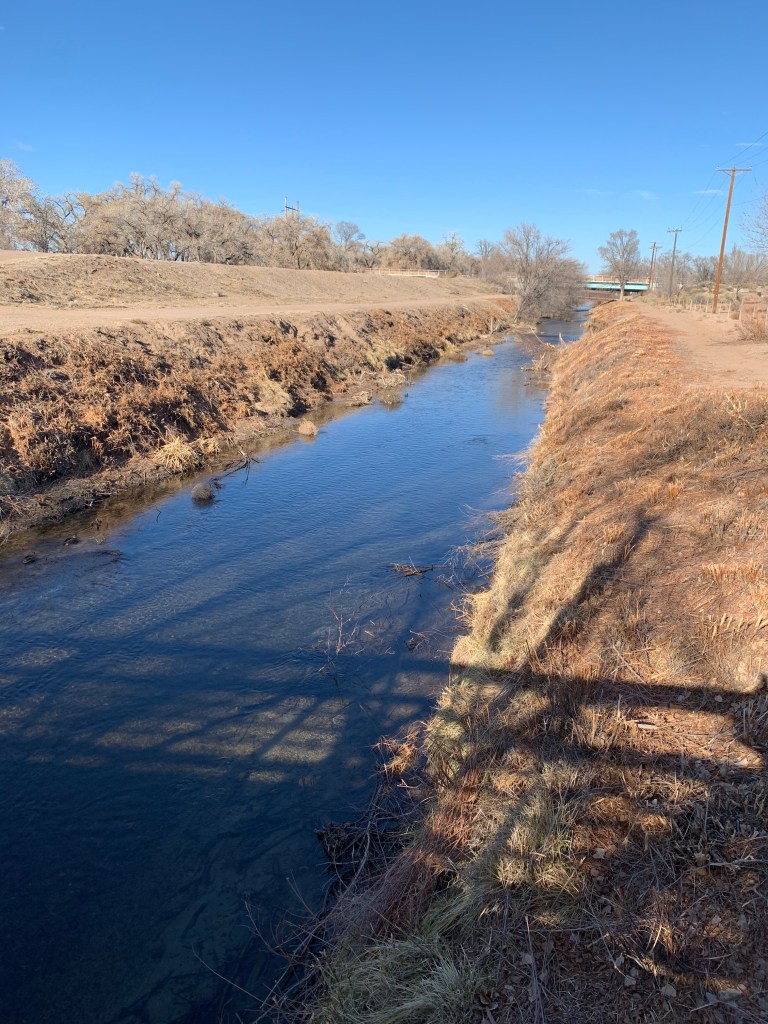
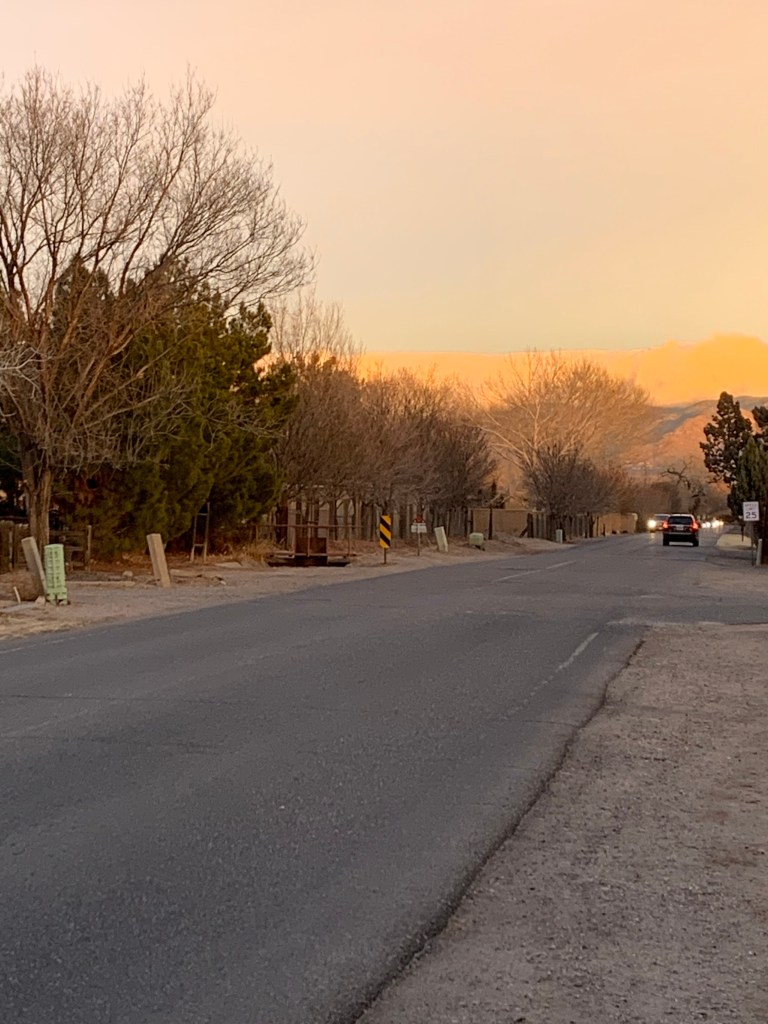
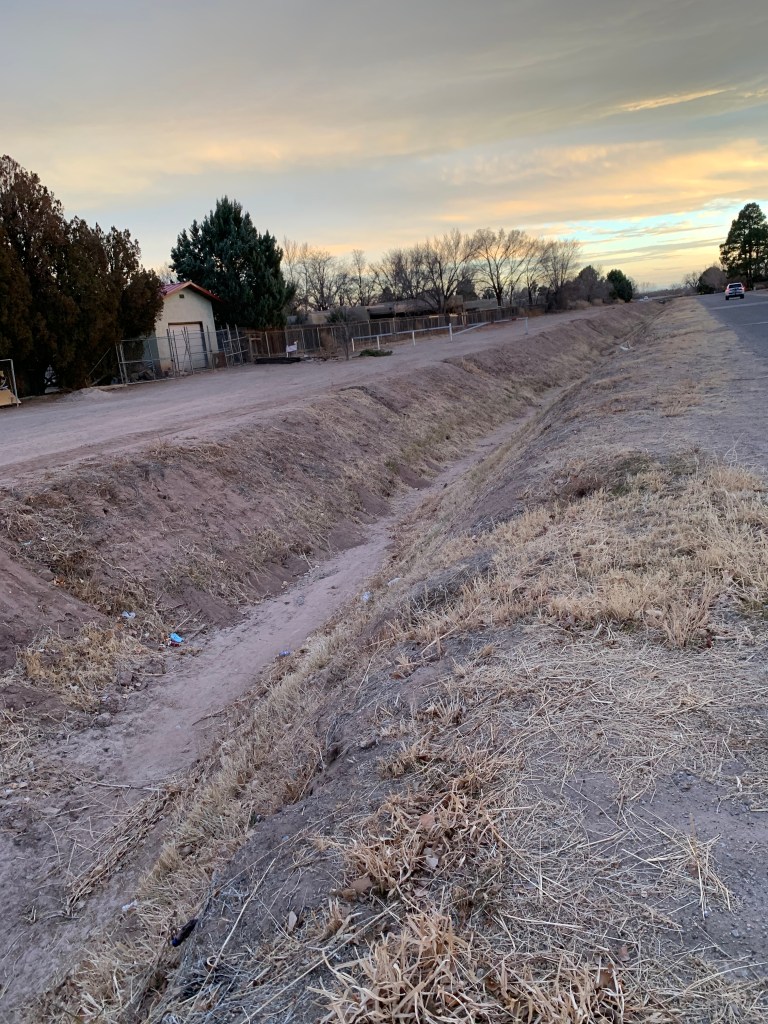
It’s a grand river in that it is long cutting through the heart of a state, two countries, and of history. It was never meant to be more than a place where people could settle, live their lives, nourish from the waters squeezed from the snow of mountains and the rain that graced the land along the way. People live along its banks, sometimes on one side, sometimes on the other. History turned it into borders and the places everyone across the years would covet.

I’ve spent some time in Albuquerque, New Mexico; Al -buh kirkee, Niehw Mex a Coh. It’s tempting to correct the locals, and the tourists from overr yonderr and say the word correctly Albukehrrkeh with, you know, that lilty Spanish/Mexican accent that the writers on Saturday Night Live like to mock when gringos try to say it, or even a fluent Spanish TV reporter might do when “reporting live from Isleta (eeslet-tah) Nuevo Mehico”, I’m Manuel Barrrrerra”. And we’d all be appropriately cognizant of our “cultural relevance” in knowing how to say Latino names and places. Except, of course, that Spanish is also a language of oppression and Al-buh-kirkee is just the name of some guy from Spain, the then (1706) Viceroy Francisco Fernandez de la Cuervo, the eighth Duque (that’s Duke to y’all) De Alburquerque of Spain. The extra “r” isn’t a typo, Duke Al-buh-kirkee was really Duque de AlbuRquerque. You can imagine how difficult it is for an Anglo mouth to wrap itself around all those “rs”, so, hence, Al-buh-kirkee. . . . You’d think you could say, the “rest is history”, but . . . .not quite.

You see, Albuquerque, like New Mexico (I’ll leave you to your pronunciations as you like), has history deeper, and hidden, in among all the cultural “Hispanic” relevance. It is a town commissioned by Europeans atop multiple generations of villages, pueblos, that lived along the river, the Rio Grande. Like all the places I have visited on this journey, “Paleo-Indians” were here nearly 12,000 years before our present. They and their descendants were ancient long before the Spanish came. They had evolved into more “modern” cultures over thousands of years by the year 1540, when the colonizer/”explorer” Francisco Vasquez de Coronado came to see if there were cities of gold lyin’ around for him to claim.

New Mexico is a place of ancient origins, from Clovis to Las Huertas Canyon near Bernalillo, it is the site for evidence of the earliest known settled peoples (sorry, can’t really make myself say “Paleo-Indians” too much longer) in the northern part of the “Americas”. There are earlier sites further south in Patagonia near Chile, but the people known as the “Clovis culture” and “Folsom people” were the first respectively evident here. I can see why the state claims itself to be the “land of enchantment”. In many respects, history, actual history and not just that of the European incursion, began here.

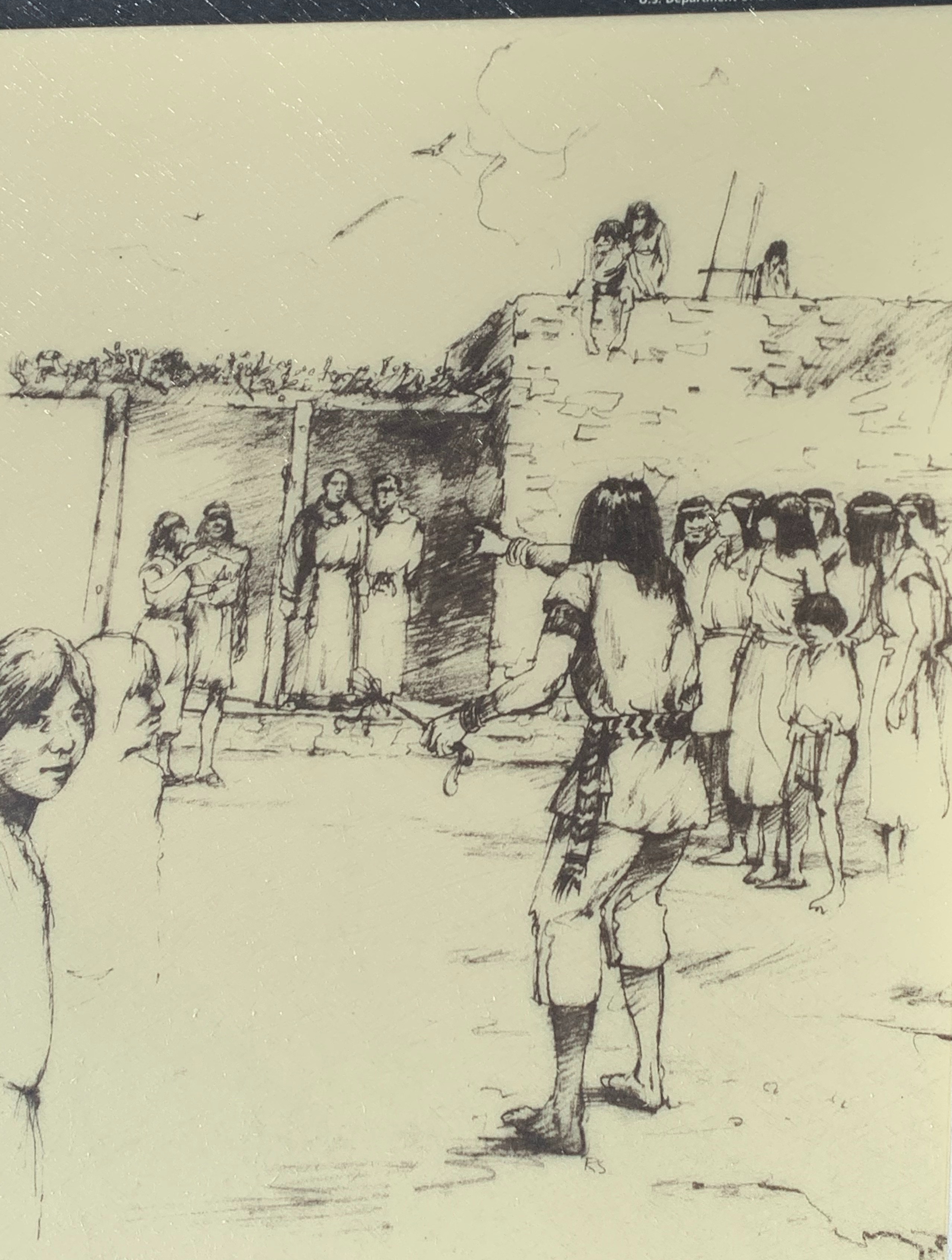
In New Mexico, much of the early peoples existed in multiple cultures with many languages. Albuquerque is a rich case in point that is too often centered in the existence of the “pueblo” Indians. in truth, all along the middle Rio Grande River flowing through Albuquerque, various peoples existed. In the heart of this city, those people who lived here called themselves Tigua or Tiwa. And these people were evident from south to the north, east and west, all Tewa/Tiwa/Tigua. They were called Pueblo because the Spanish grouped them into people who lived in settled places, often in adobe structures on the banks of the Rio Grande, or the Chaco, or the Galisteo. What is common about these people is something more basic, they lived along rivers.

Rivers and Rifts

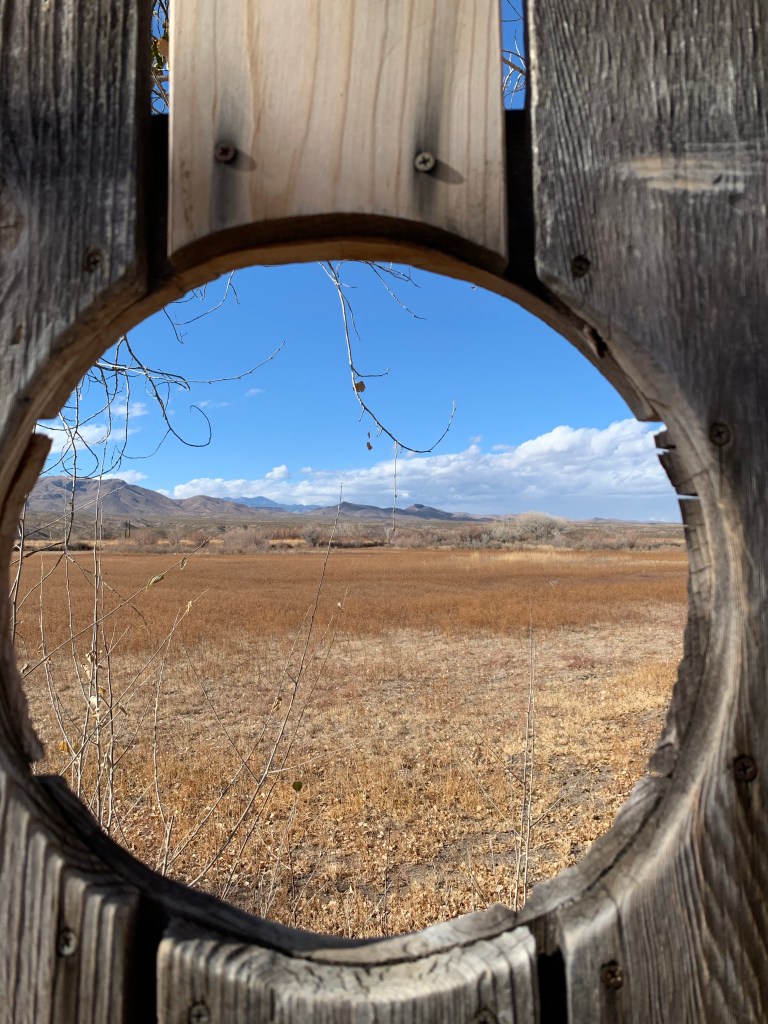
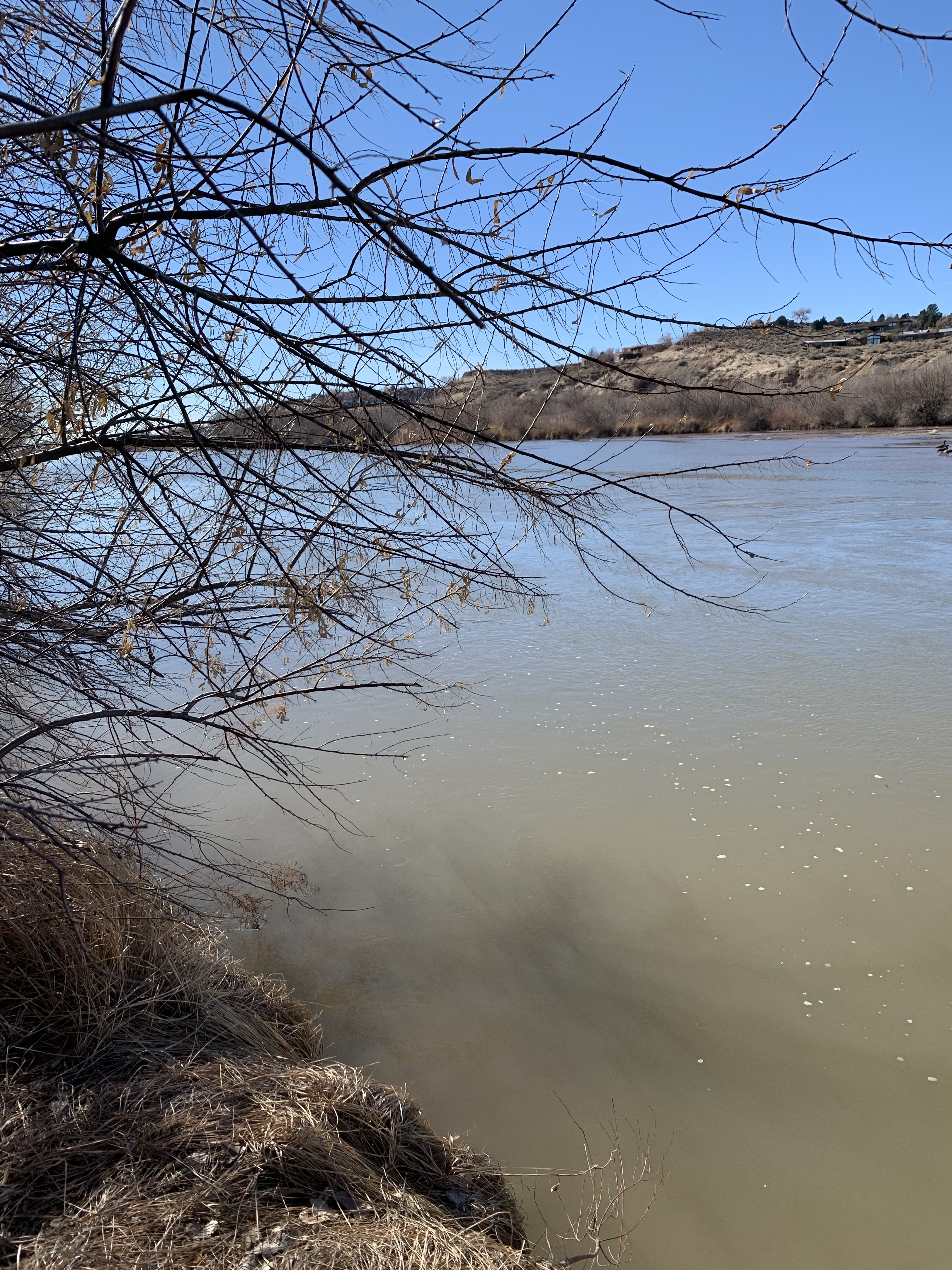
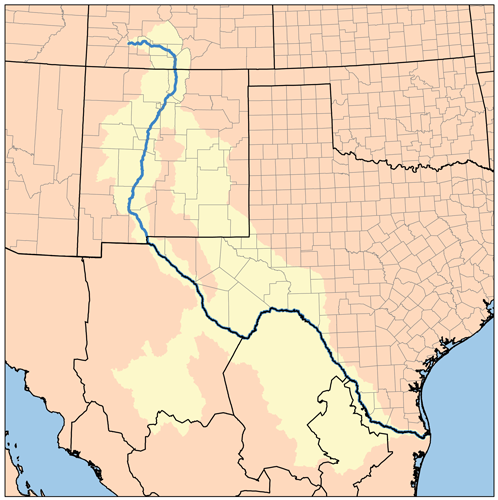
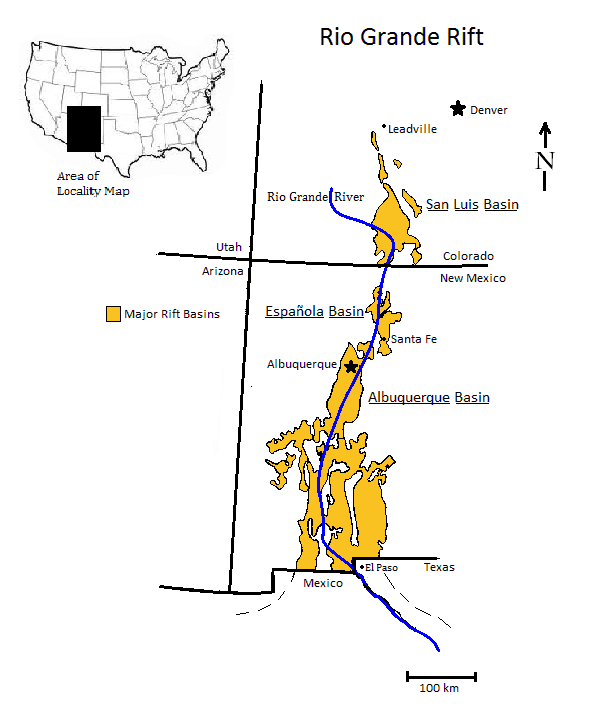
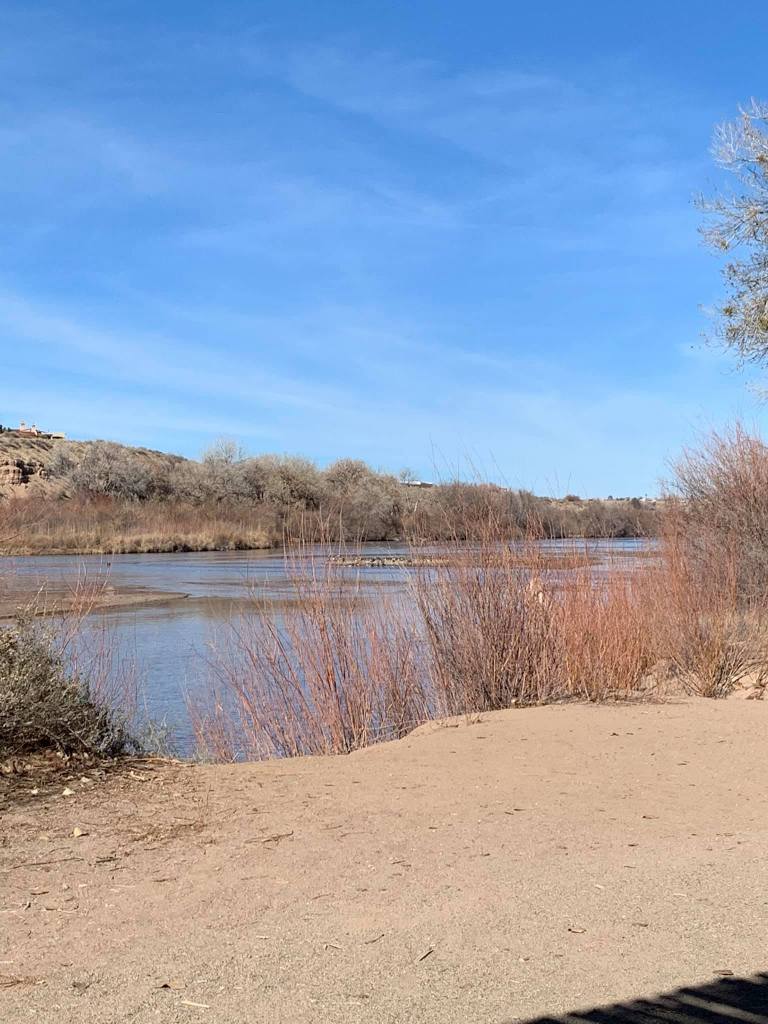
When I arrived in Albuquerque, I was drawn first to the river, the Rio Grande. The same river around which I grew up in South Texas, but now much further north; I’ll call her “Rio”. Rio begins in Colorado, her heart drawn from the mountain snowmelt of the Rocky Mountains. But if Colorado holds her heart, the greater portion of its north runs like an artery through the heart of New Mexico, granting life and providing home to the early peoples of this land. It is here where Rio’s journey really gets interesting. You see, she is a product truly of a land that was in process of growing, spreading, building and becoming truly . . .grand. Rio evolved in what is a “rift valley” a spreading zone of the continent filled by the waters flowing through it. I can understand how it was a place that grew civilizations by so many people.

It seems so narrow and petty to think that “civilization” only came with people in armor plating, unknown diseases, astride animals descended from those who once inhabited this very land. What they brought of value, horses, were in fact originated from here, what they found of value, corn, potatoes, tomatoes, great stores of silver that fueled the growth of economics, also from here. And what they uniquely brought was not industry, but arrogance and want, that somehow they could “advance” this world, inhabited as early as their own European descendants, and decided to call it “new”.

The Pueblos Beneath

All throughout Albuquerque, the history that was here is largely hidden. Where once there were pueblos, there were then mercedes reales (royal gifts), land grants given to pay Spanish soldiers and colonists for their efforts to grow the Spanish empire, from there were “estancias”, smaller divisions of land inherited by the children of the “original” landholders. And still later, victors of later wars, with Mexico and then the Civil War, gained access to lands from those who had bet wrongly and supported the other side. You wouldn’t know that this enchanted land actually belonged to no one but was one that provided so many mercedes naturales to those who came just to find their place in the sun, along a river.

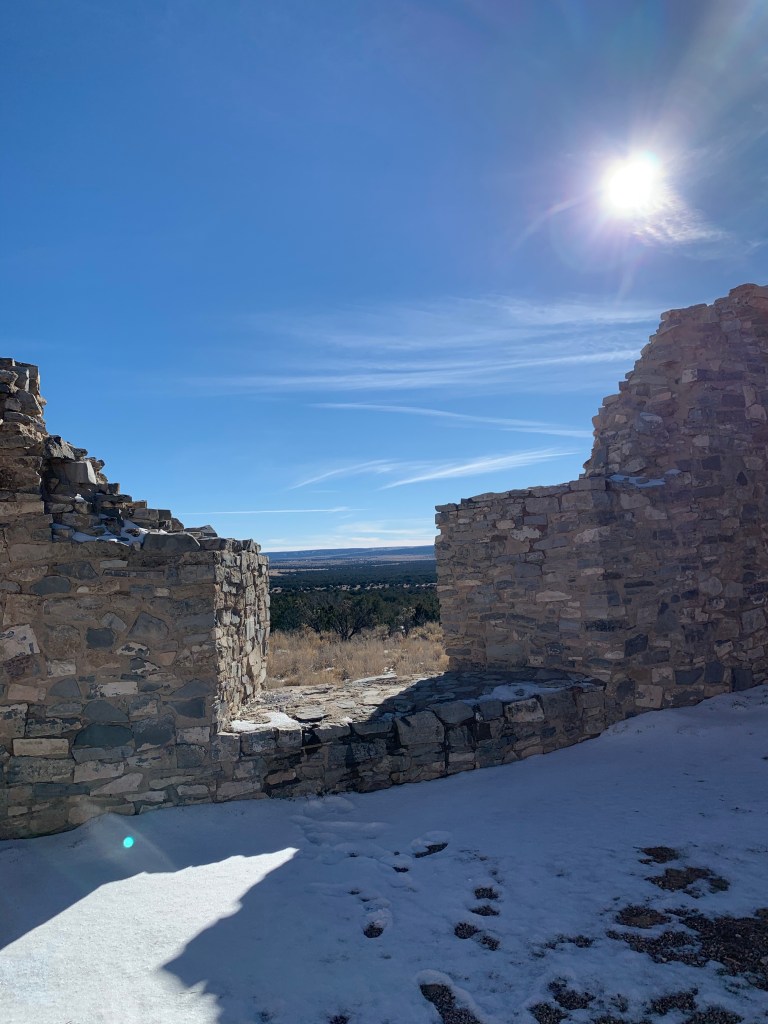
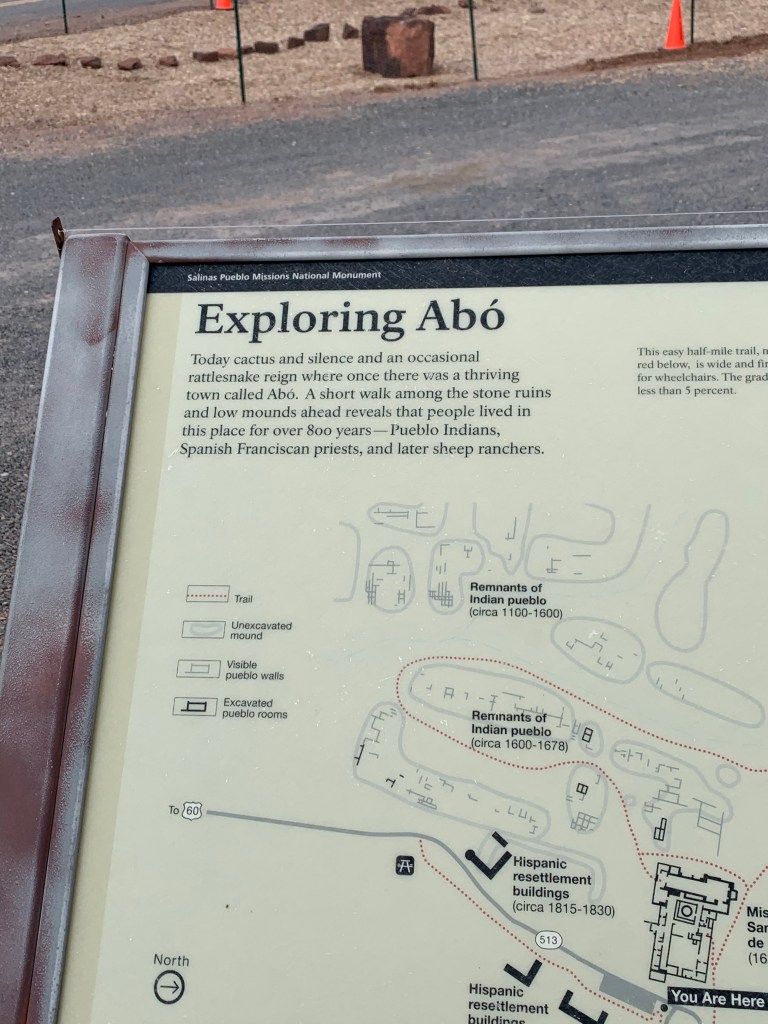
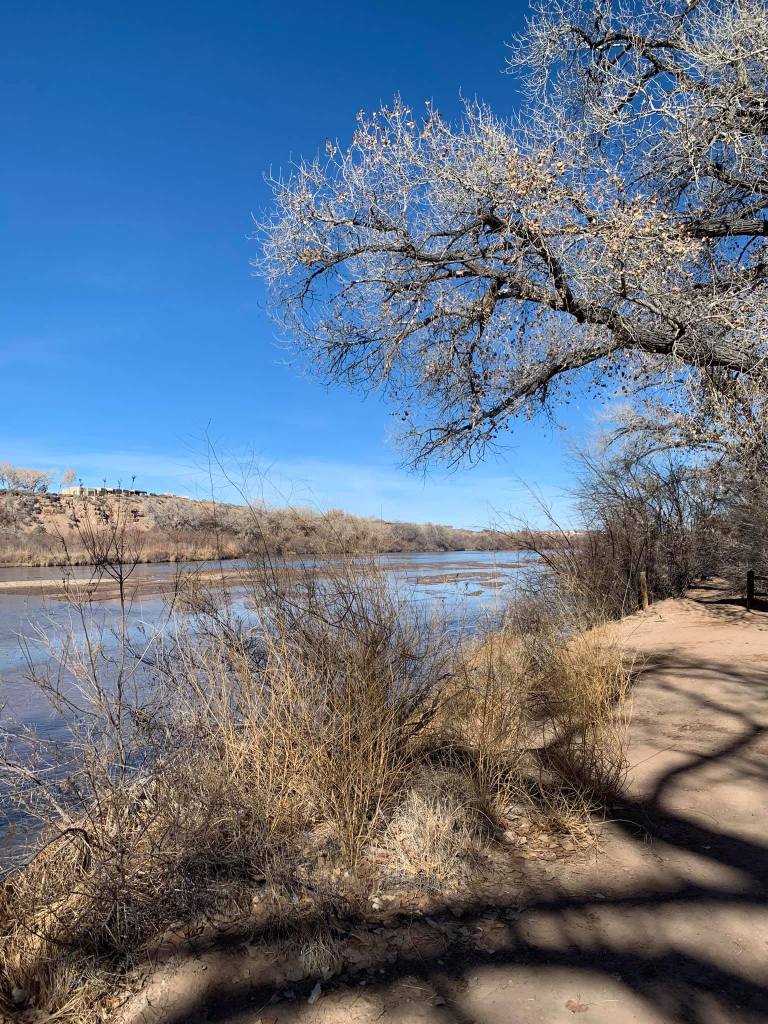
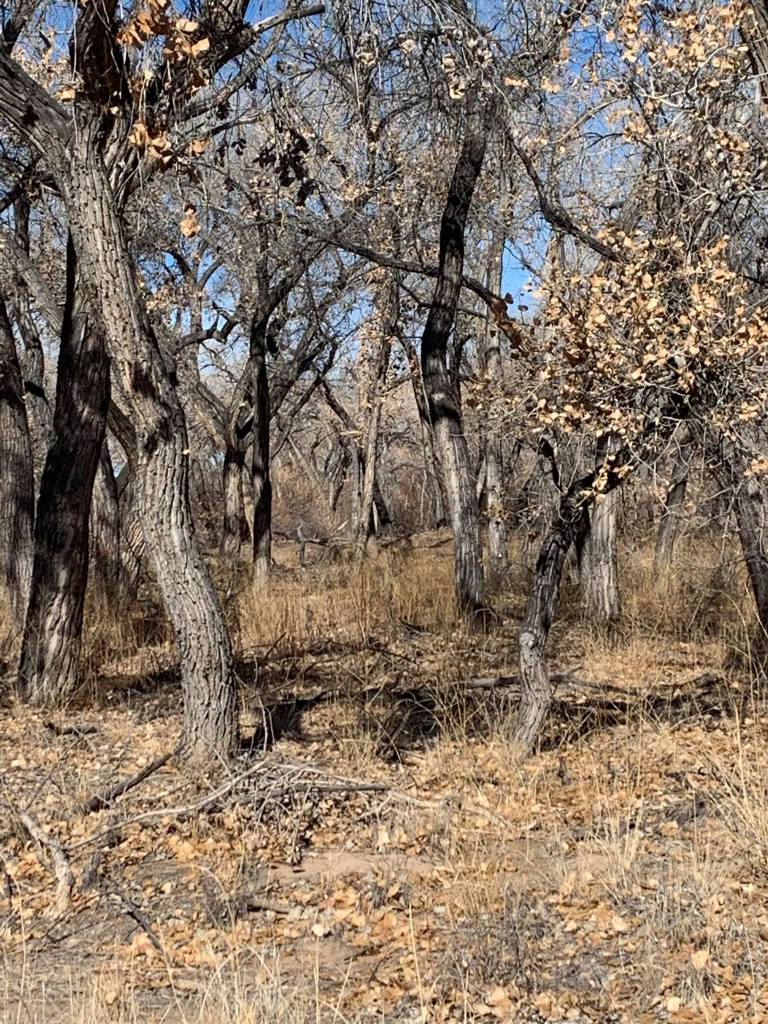
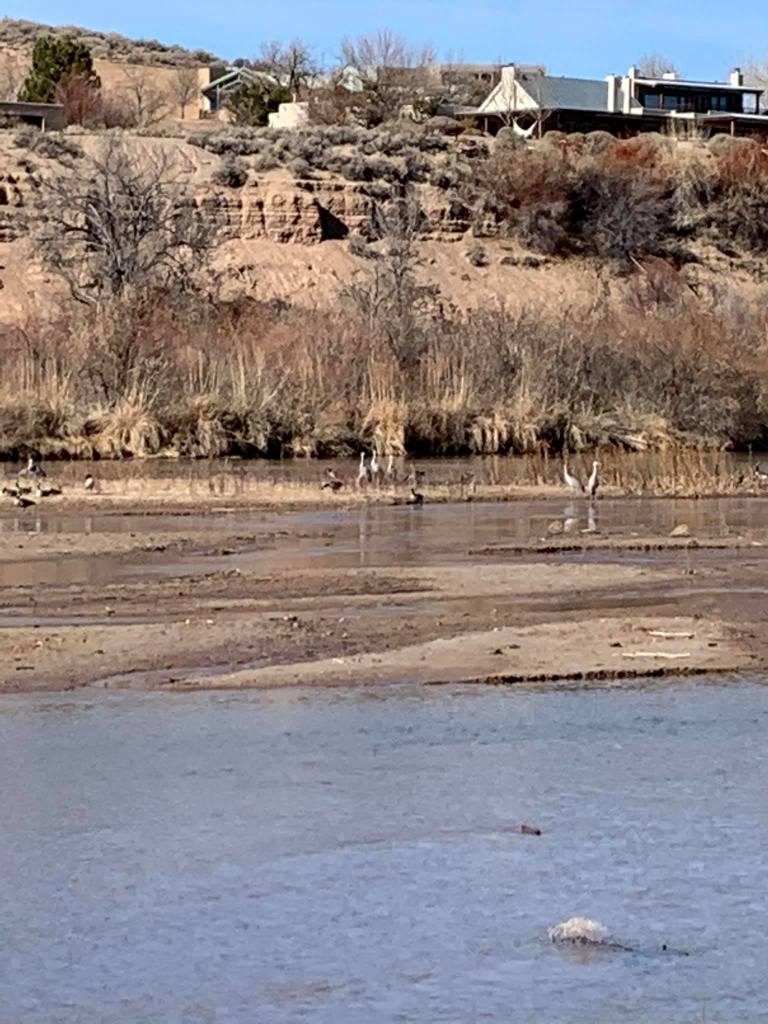
In my searching to understand who were the original people, where the pueblos actually were, I found very little. It seems that much of the history of the early people is based on the now smaller number of existing pueblos, mostly outside of the cities. When I walked along the Rio Grande Paseo Del Bosque Trail, there were notes about the existence of pueblos along the river’s banks.

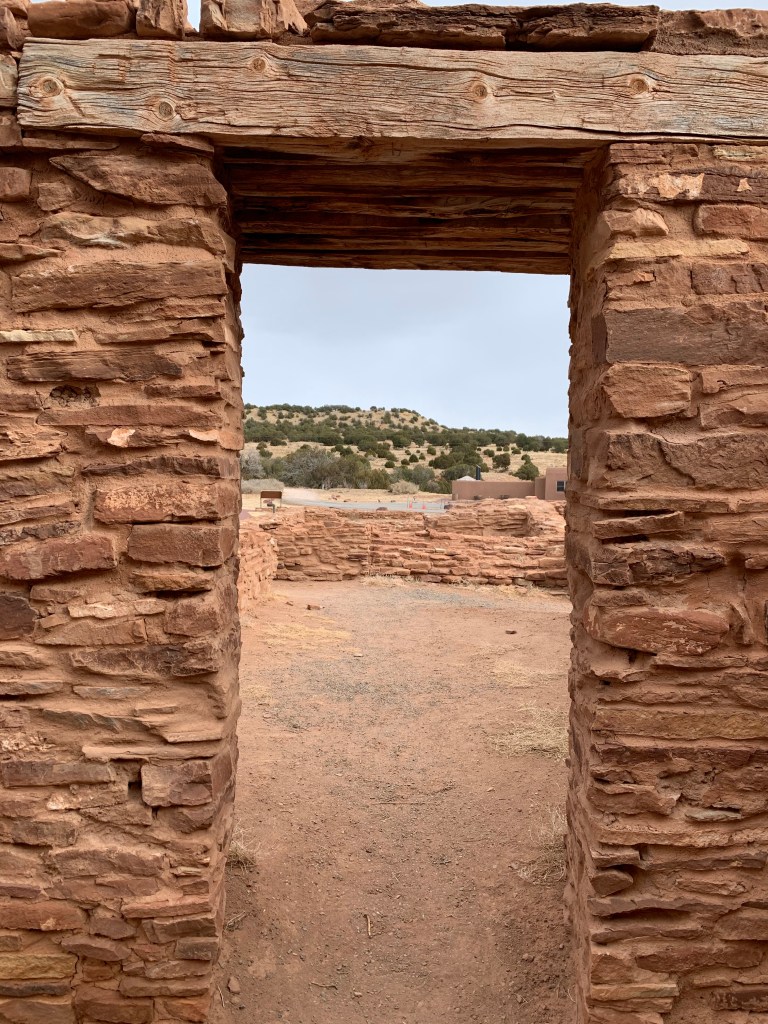
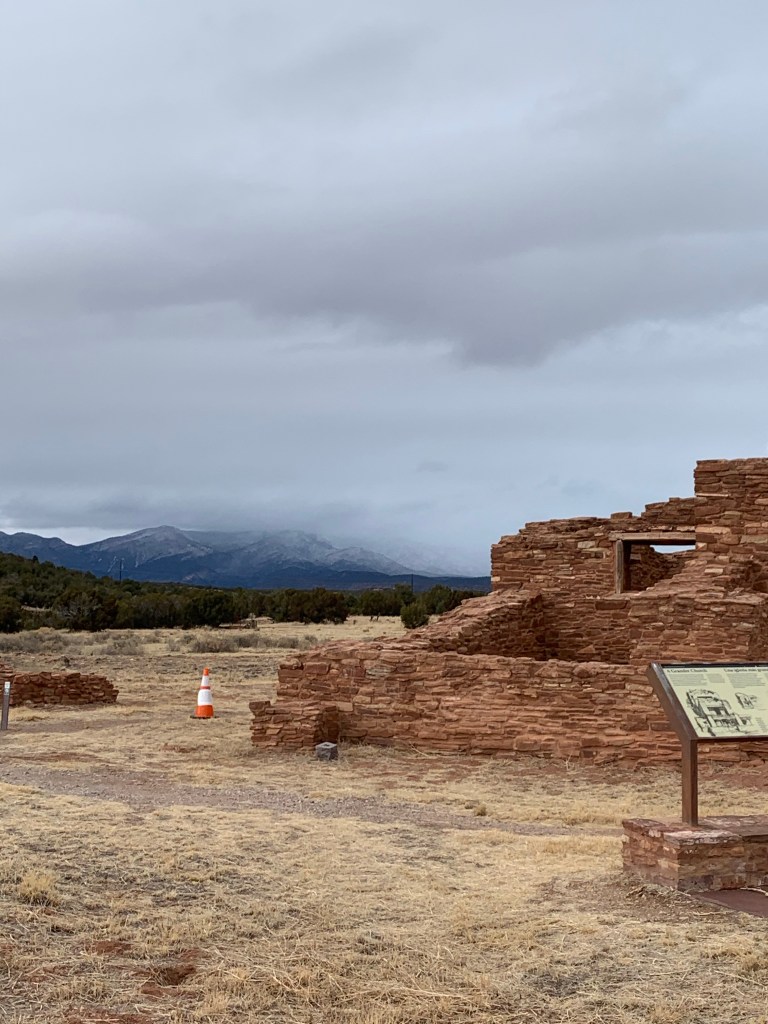
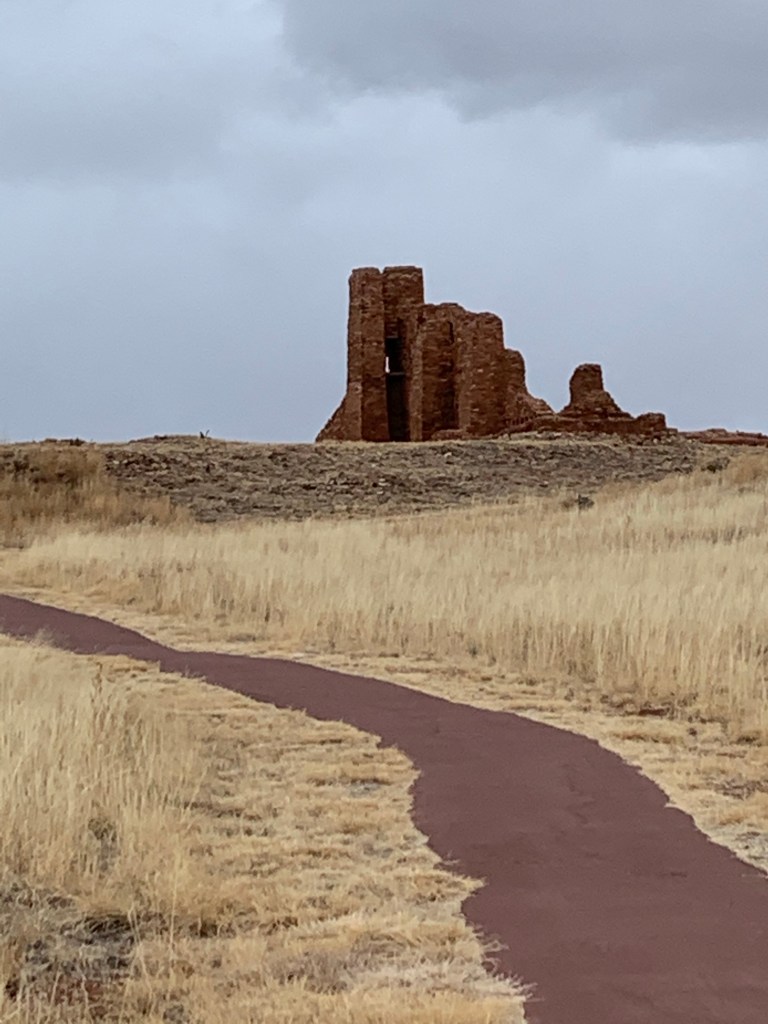
But there was scant evidence of these early settlements.

I was able to find a helpful document about one of the “plazas” that were early Spanish settlements, “LOS RANCHOS PLAZA (LA 46638): Test Excavations at a Spanish Colonial Settlement in Bernalillo County, New Mexico, 1996–1997″ by Kathryn Sargeant and her colleagues (2005). Their report documented the layered history of early Albuquerque.

Now, I’m sure that there may be other such documents available. But what was revealing from this paper is how sparse the evidence of early Spanish settlements and the even rarer evidence documenting the early pueblos here. To this day, of the existing number of pueblos, many of their locations in this area are documented as ‘lost” only referenced that they were identified by early colonists but unknown where they are.

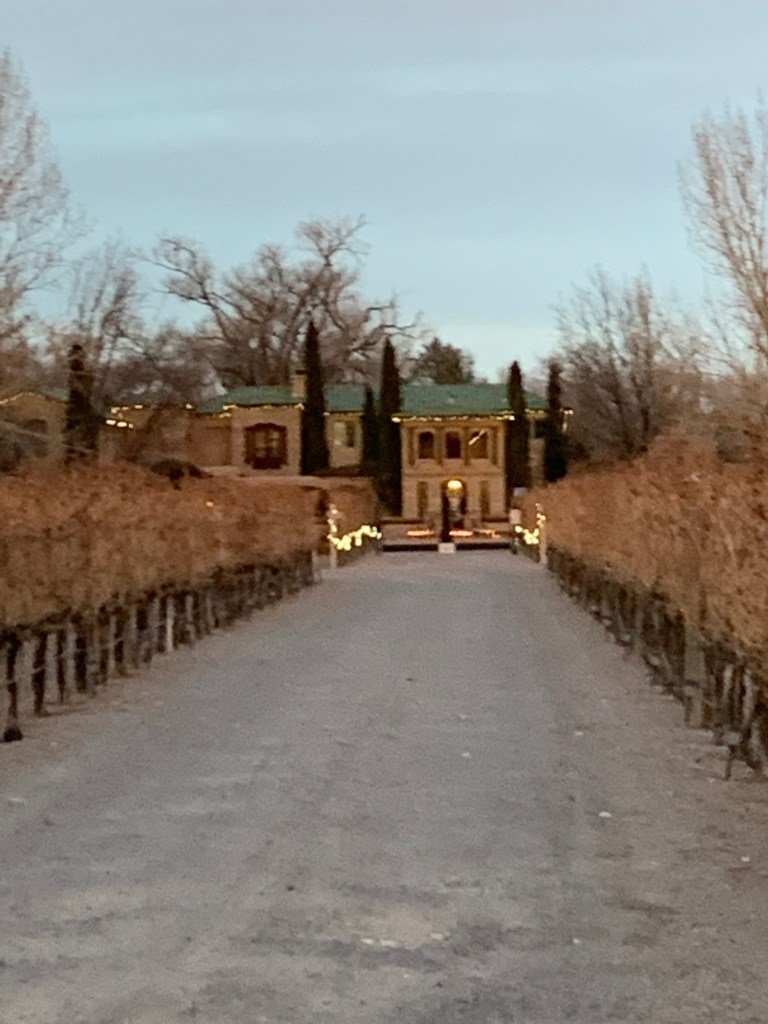
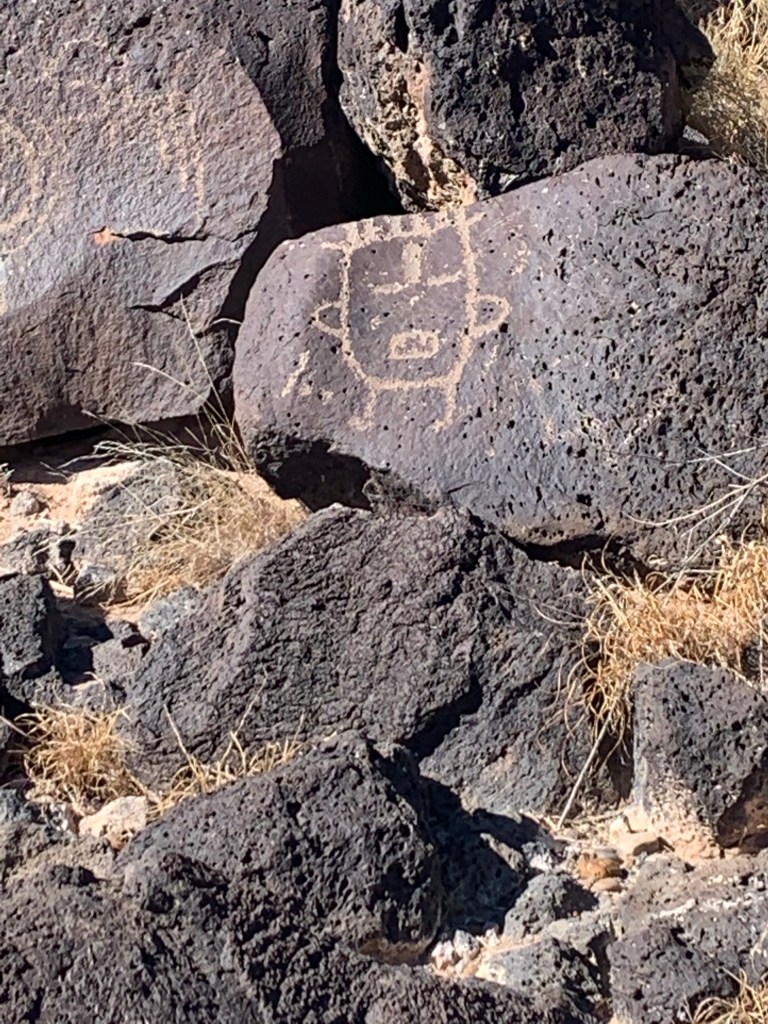
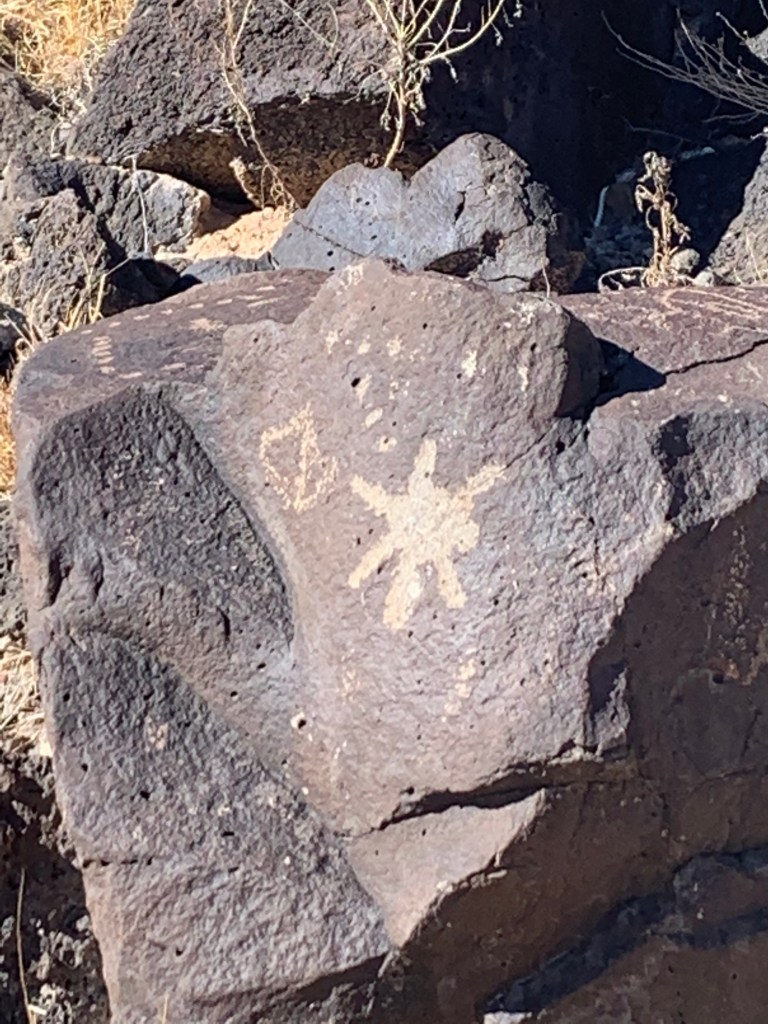
I went to the site of the former “Los Ranchos” settlement where thousands of pre-Spanish artifacts and dwellings were reported by Sargeant, et al. (2005). A very different place. It’s clear that history in Albuquerque is considered primarily about ‘Hispanic heritage” and while early peoples are identified in the culture and history, prominence is given to those that survived and the richness of their ubiquity throughout the landscape seems relegated to one of mystery and magic, enchantment. Rock art is appreciated, but who these people really were and how they lived seems all but forgotten, or ensconced in a singular cultural entity, “pueblo”.

People on the Banks–Connected by a River

I think I would have liked the river people here. They must have been very different than the story that is told about them. I can imagine them earlier hunting and gathering the natural bounty on and around the river (many of the native fish are long gone and much of the other fauna too). Then they changed their culture to one of agriculture stemming from their trade with southern and northern people. Corn and beans in particular from what was Meso-America (indeed, there are places around the area with the name “Aztec”). They traded up and down a river, connecting with other river people east and west. To them, a river was a place of unity despite all their likely differences. A place to come together and to learn what could be learned. They wrote on rocks about their experiences turning their experiences into stories that today seem mystical. I’m sure they built their own versions of a spiritual world. How could they not in a place with such mountains, forests, sunsets, and dawns? And, it is likely that they had their conflicts, especially in times of scarcity; droughts and flooding all along a river.

So, yes, I think I would have liked them, which is to say I would have argued philosophically with them, debated about many issues of the day, maybe even united with them to overthrow oppressors. Which is to say that they struggled with being human–frail and haughty, superstitious and logical. Just like us.

A Tree Grows in the River

I have to ask myself why I chose to describe New Mexico by what lays hidden underneath its sincerely held pride as an enchanted place with such a rich multi-layered heritage. After all, I am not from here. Who am I to question a collective wisdom written so eloquently and respectful of all their differences? I think it is because this history sounds like what it is we want to hear. Respect the legacy of an earlier era, earlier people and the equanimity in examining all past sins as having made “us” (well, they) stronger. That acknowledging a past of pain is just that, the past. And now the body politic is that much more reflective of a “common” history.

It’s that urge to equanimity–a curious word describing composure and calmness in a space of turmoil recognizing both the good and bad of terrible experience–that bristles on me like a pine cone I have stepped upon in bare feet, without the protection of a sturdy insulated shoe.

It’s been so easy for me to “find the good” in all the pain and ardor I’ve experienced; what I have meted out and what I have taken. My journey has been one of hopeful discovery for what really must have happened out here. In the wilderness.

But it has also been to discover that what has lain underneath my own layers. Not to explain them away but to understand the pain and tribulation in the choices I have made that have led me here. By myself. When so many other paths I could have taken and been so much more content. Why it is that contentedness has never been enough? Why the pain across the ages for those who were never heard or just ignored is such a preoccupation? it’s not as if I have not been heard, I have. It’s not as if the chance to “excel” did not present itself, it certainly did. . . . Those were never what I really wanted.

I think the story (ies) I must tell are to delve below the layers, beneath respect for “growth and change”, our eventual “getting there”. To accept my impatience with . . . equanimity and to regain . . .honesty. We can’t have things become “all good” if we don’t recognize how really bad we’ve been. How dishonest we have been even when we never told a single lie because we weren’t honest with . . . . well, because I wasn’t honest with myself.

The world has really got to change. We can’t keep accepting “all the bad with the good”. We really have to stop mixing things like that and thinking “shades of grey” are just the cost of being human. Being human cannot be just about mistakes. At some point, we have to get it right.

Maybe I can’t do that for the world. But maybe . . . .

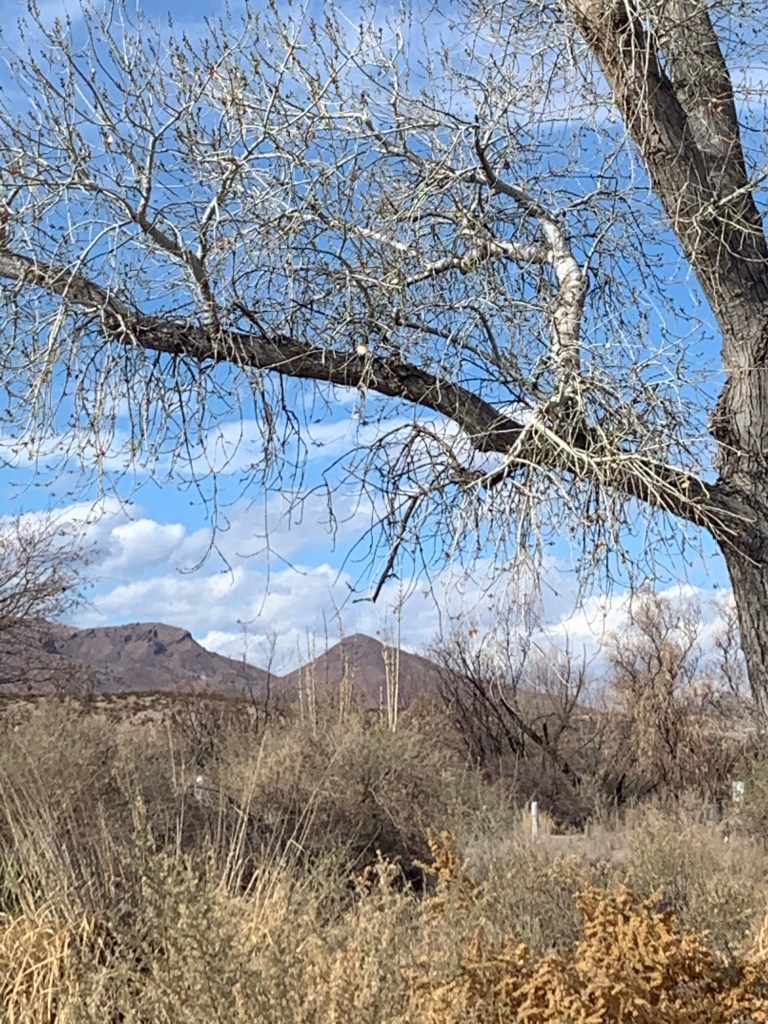
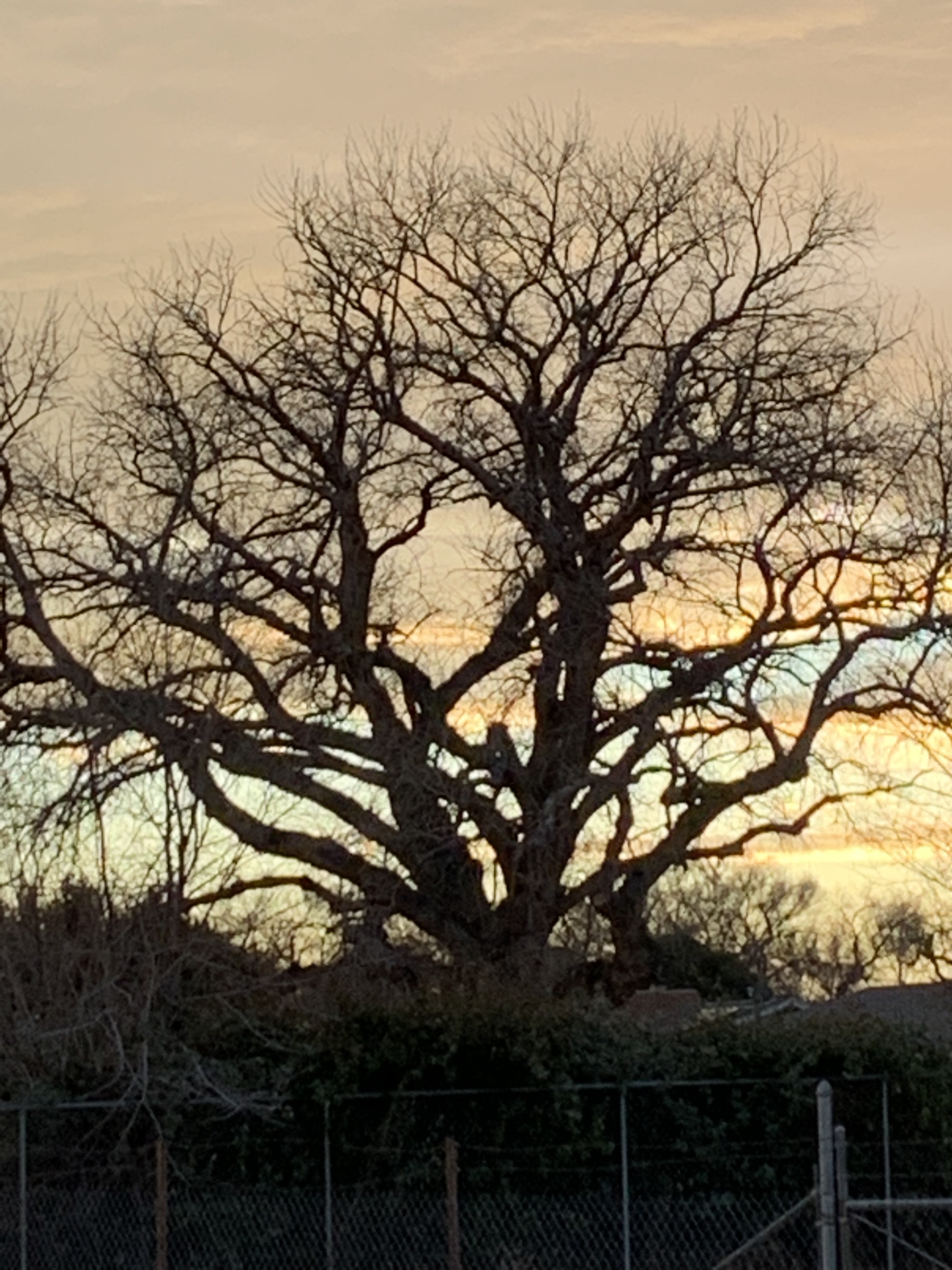
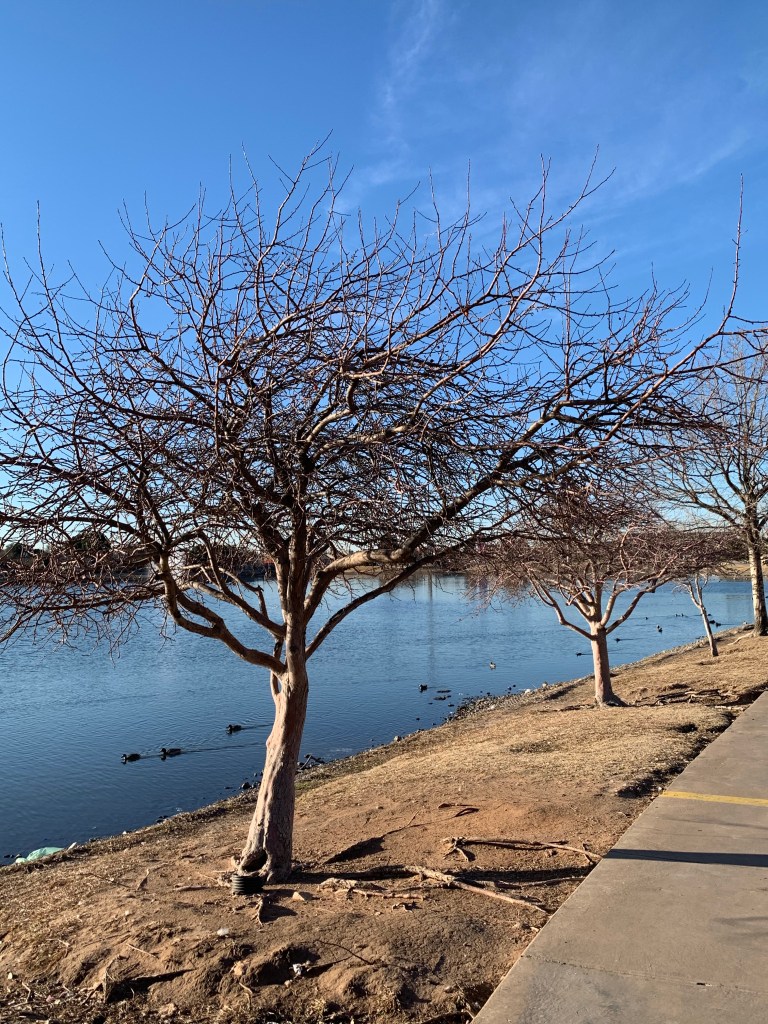
I think that my journey has been like a tree in winter. Leafless, swaying with the winter winds, blanketed by snow, dampened by the rain like tears. A raw, barefoot exposure to a season in discontent so that I can feel the sun when it comes in warmth despite the cold. When love and springtime come, I’ll become clothed because I had the roots and trunk, the base integrity of soul to stand, be naked and be honest. To make each year count. Just so I can give shade to those who come. In smiles and laughter.

El Llano Estacado–Blanco Canyon, White River: A Pandemia Chronicle

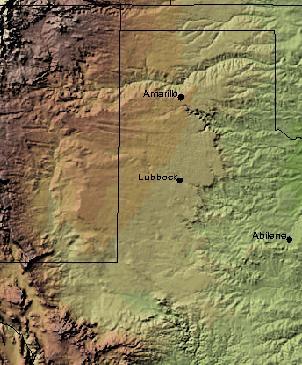
By http://nmviewogc.cr.usgs.gov/viewer.htmTransferred from en.wikipedia to Commons by User:EvaK using CommonsHelper., Public Domain, https://commons.wikimedia.org/w/index.php?curid=5574838

I arrived in what is now Lubbock, Texas, the latest “stake” of history that’s settled over the layers of existence that is the “staked plain”, the Llano Estacado. The term “estacado” usually means “stockaded” or “pallisaded” and refers to the fortress-like rise of the escarpments at the edges of this formation. The “stake” refers to how earlier inhabitants would mark the llano with stakes of various types to guide their way.

For a flat, desolate, seemingly featureless plain of what was a shallow sea millions of years ago, so much has happened in its nearest past. Geographically, the Llano crosses Texas on the west in the “Panhandle through the Permian Basin and somewhat fusing with the Edwards Plateau, another raised flat land that reaches near to Austin and San Antonio. In the east of New Mexico, the Llano ends with the Mescalero Escarpment near Roswell. But this region represents a larger whole merging the histories of western Texas –Oklahoma, and the respective eastern corners New Mexico and Colorado and the western parts of Oklahoma and Kansas; what was the domain of the Comanche. These states claim a portion of what would otherwise be one geologic and geopraphic unity.

Once the sea dried, it became home to a multitude of floral and faunal migrations mxed in with homegrown indigenous plants and creatures; the first layer, the first “stake”. It seems inevitable that all these creatures great and small would be followed by a second stake, human immigrants. Although it is not likely that humans came only via a landbridge “Ellis Island” to the north, a great many did and they proliferated multiple cultures and civilizations. It also seems that the first act of these early peoples was to help along the clearing of the large mammals that once ruled unobstructed. They didn’t do so with disease, but they did fashion spearpoints and a desire to survive, to colonize. After all, the entire area was truly “despoblado”, inhabited only by . . . .food and the materials for shelter.

The third stake on this flat unified plain came with the development of a host of simple to greatly sophisticated cultures; Jumano/Chisos, Anasazi/Pueblo, Zuni, Hopi, Navajo, many others. All of these interacted with others to the east and further west. In their midst entered the Apache, Ute, Kiowa, and an almost inconsequential group of ostracized Shoshone known to themselves as the Nermernuh, to the Ute, kimantsi–“people who alway fight us” or “enemy”–and which the Spanish eventually formed into their tongue as Comanche. The Comanche highlight the fourth stake to this flat land, Mesa, buttressed by eroded canyons that made the land appear like a “palisaded” steppe, “estacado”.

If you watch and listen as you drive through this featureful expanse, you can feel the layers speaking in emotions, from the bones of camels, elephant ancestors, giant sloths, and especially ancient horses and bison to the laughter of Juman/Chiso/Pueblo children and the laments of expelled Shoshone for their lot in trying to eke out a living, unwanted and on foot, atop a sea of grass and succulent buffalo steaks galloping all too fast to catch.

It took a fifth stake, the Spanish, to change history, They brought along the descendants of the earlier horses, those now extinct in the Americas but from whom horses first evolved. There is some belief that horses have remained here and to many Indian people there is a view that rests within their collective memory. What is undeniable is that what the Spanish took for granted as transportation, the Nermernuh/Kimantsi/Comanche learned to prize above all else as their salvation; the ships that would carry them across the seas of grass and the harvest of its bounty. For 250 years, the Comanche sat astride the Llano Estacado holding back the Spanish, French, Mexicans, Texans, and Americans. Until the buffalo were gone and then so were the Comanche. A few other layers have come since then but this journey is about understanding what came before the layers that have obscured a deeper past, a deeper origin.

Ancient Lakes, Ancient (Mega) Fauna

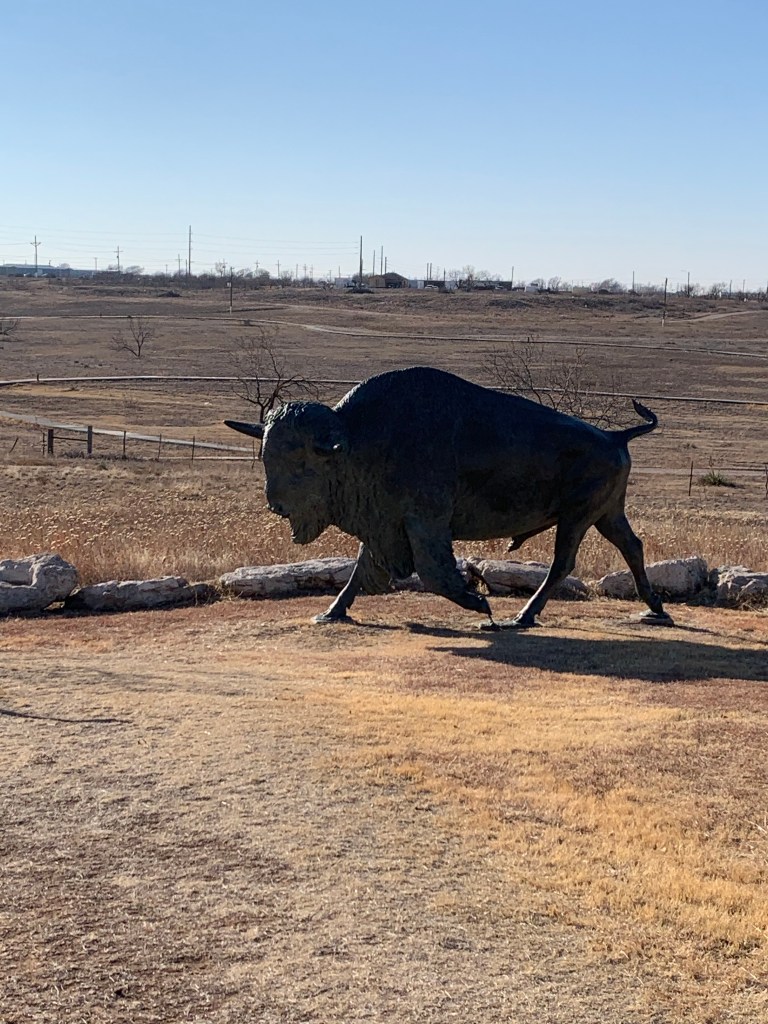
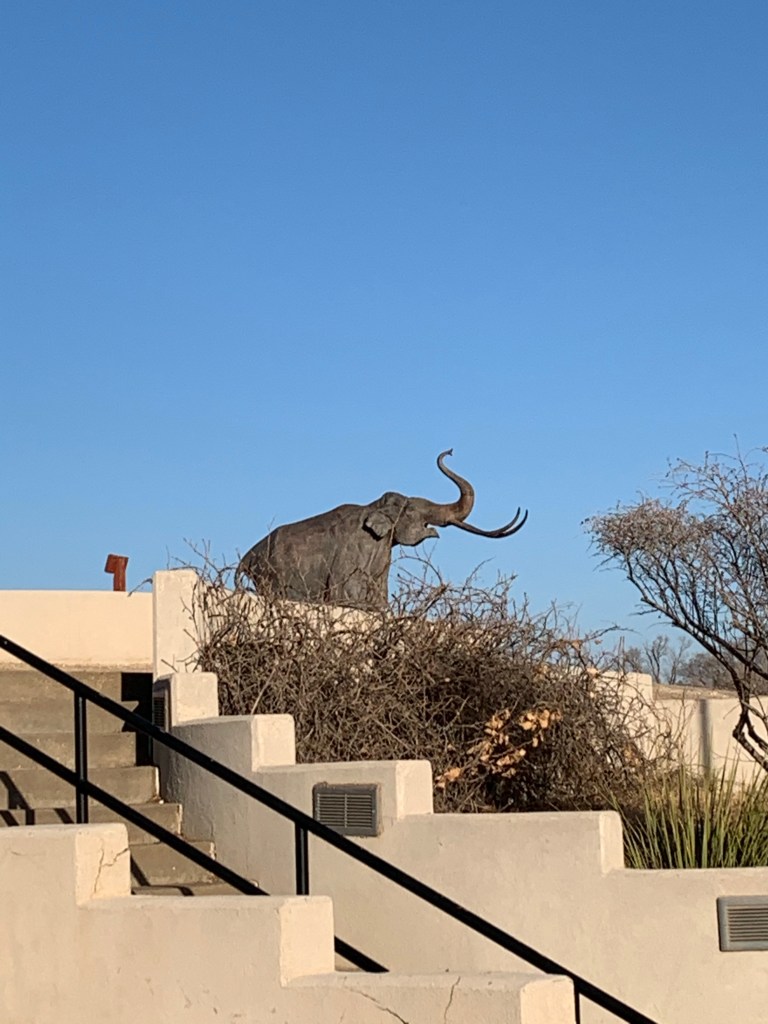
Lubbock Lake is a dried former lake where prehistoric flora and fauna and of human layering in the land can be found through every period of human history for at least 12,000 years. The lake was part of a meander of the Yellow House Draw itself a former part of the Brazos River. It served as a water source until the 1930’s and when the city of Lubbock tried to dredge it to revive access to the underground springs, they were unsuccesful but in the process uncovered the layers of different peoples who “staked” their claim to life on this land. Layers on layers of cultures and the fossilized bones of earlier extinct megafauna like the bison antiquus, the predecessor to the the “American buffalo” (bison bison). Those layers, stakes, begin with the bison and their contemporary megafauna, the mammoth/mastodon, giant sloths, horses, camels, lions, tigers (sabre-toothed) and short-faced bears (yeah, you know you want to say “oh my!” Go ahead).

Long before bison bison, the ancestors of the favored resource of the Comanche and other people of the Great Plains in North “America”, there was bison antiquus. B. Antiquus existed 125,000 to 14,500 years before the present (BP) along with other pleistocene megafauna and that finally disappeared from the Americas around 11,000 to 12,000 years ago at the end of the last Ice Age.

There is some controversy about how the megafauna died off, but my favorite paleontologist, Timothy Flannery makes a compelling argument for the final demise of the megafauna as a result not of changing climate, but of the human migration that followed on the heels, or hooves, of these now extinct animals.

Buffalo weren’t just food for the early immigrants of this continent, their social, and eventual poltical, economy rested in the existence of these “Target runs” on hooves. One can see why early people built their lifestyle and subsistence around them.

Contrasting Blanco and White

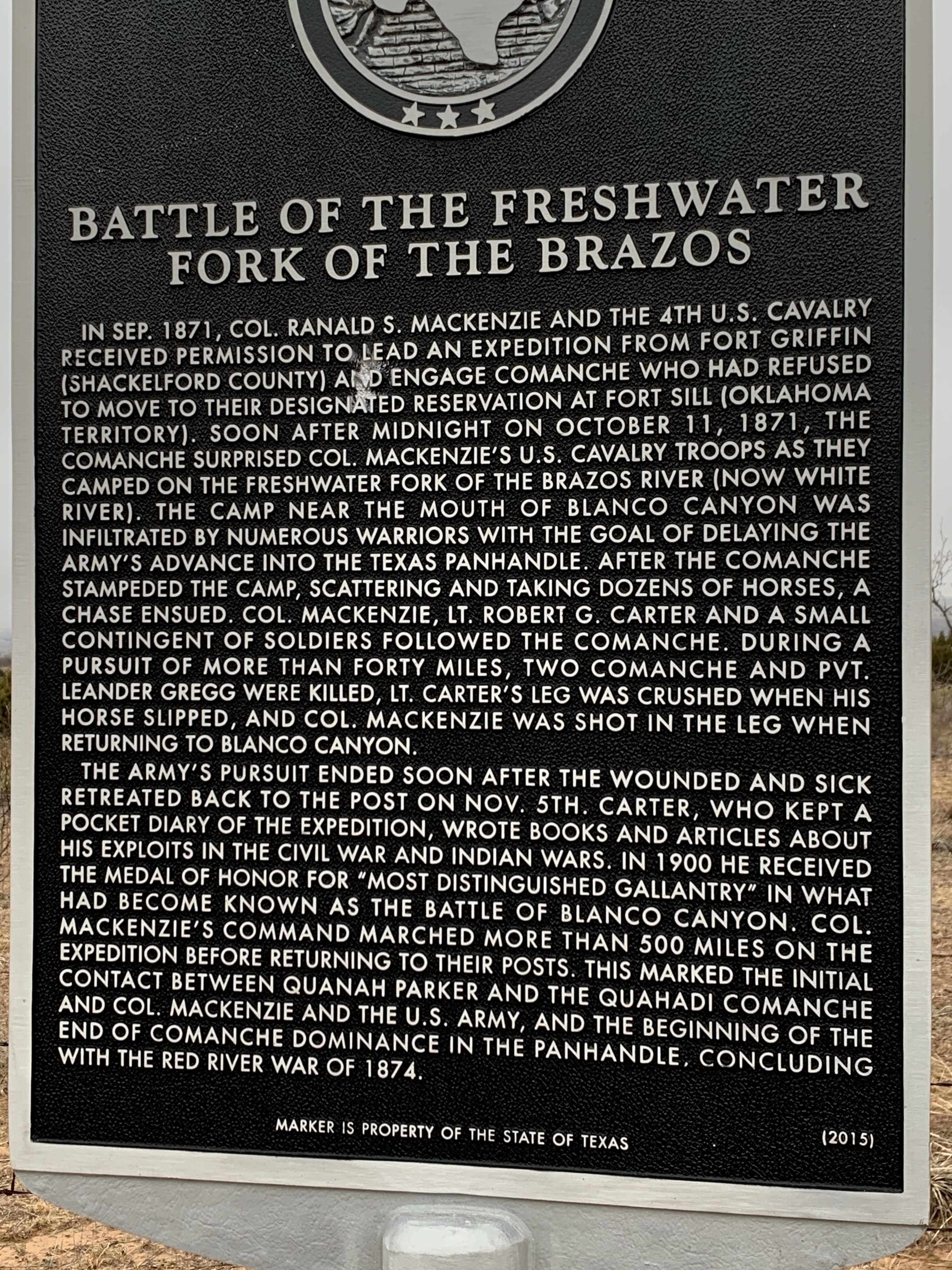
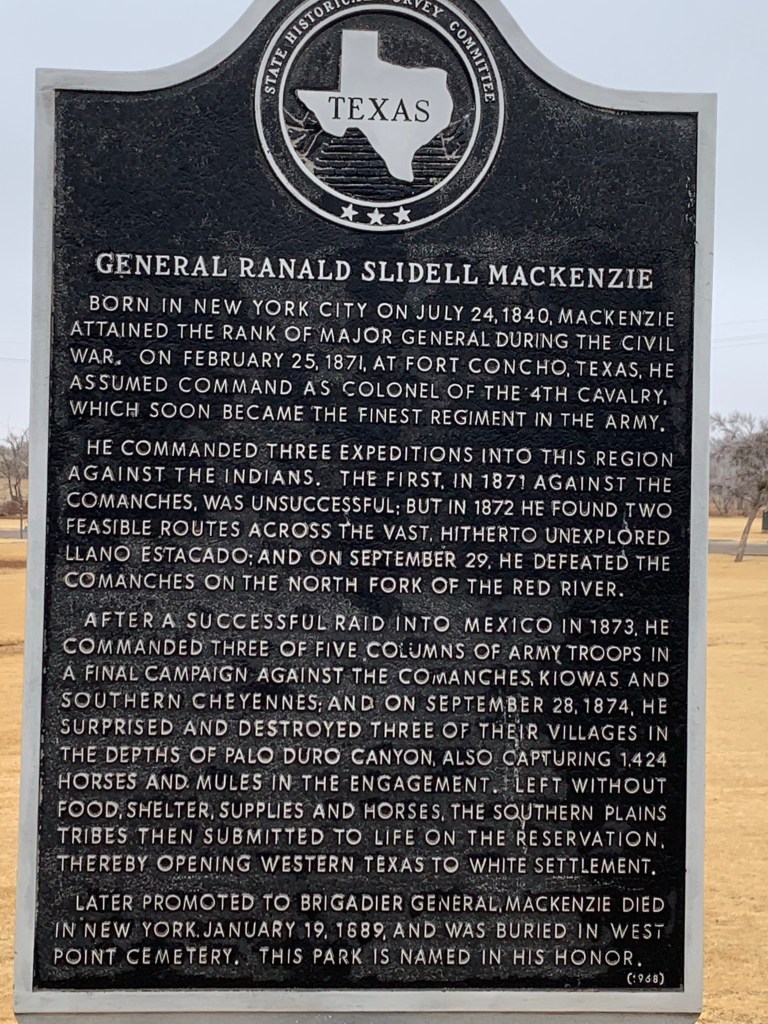
Blanco Canyon is an ever-widening erosion in the Llano Estacado originating out of the steppe from the White River. it is interesting to note the difference in language to denote the same color, “Blanco” and “White”. I’m not sure why this distinction is made, but the metaphor is all too poignant when you consider its history. For, the first battle between the Comanche, led by their last warrior chief, Quannah Parker, and the Anglo, and Black, U.S. Army under Ranald MacKenzie was fought here. Well, to call it a battle is to give the army too much credit, they were largely routed resulting in MacKenzie receiving a debilitating and lifelong painful leg wound. One which would mark him psychologically as well as debilitate him physically from then on. The Comanche surprised the fledgling army unit, stole their horses, and the soldiers barely managed to survive with their lives. Some didn’t. For MacKenzie, it was a learning experience that he used effetively, eventually copying Comanche tactics to his credit and that led to their own surprise attack at Palo Duro Canyon that eventually broke the back of the Comanche resistance. A compelling account of this campaign and the life of Quannah Parker can be found in S. C. Gwynne’s Empire of the Summer Moon.

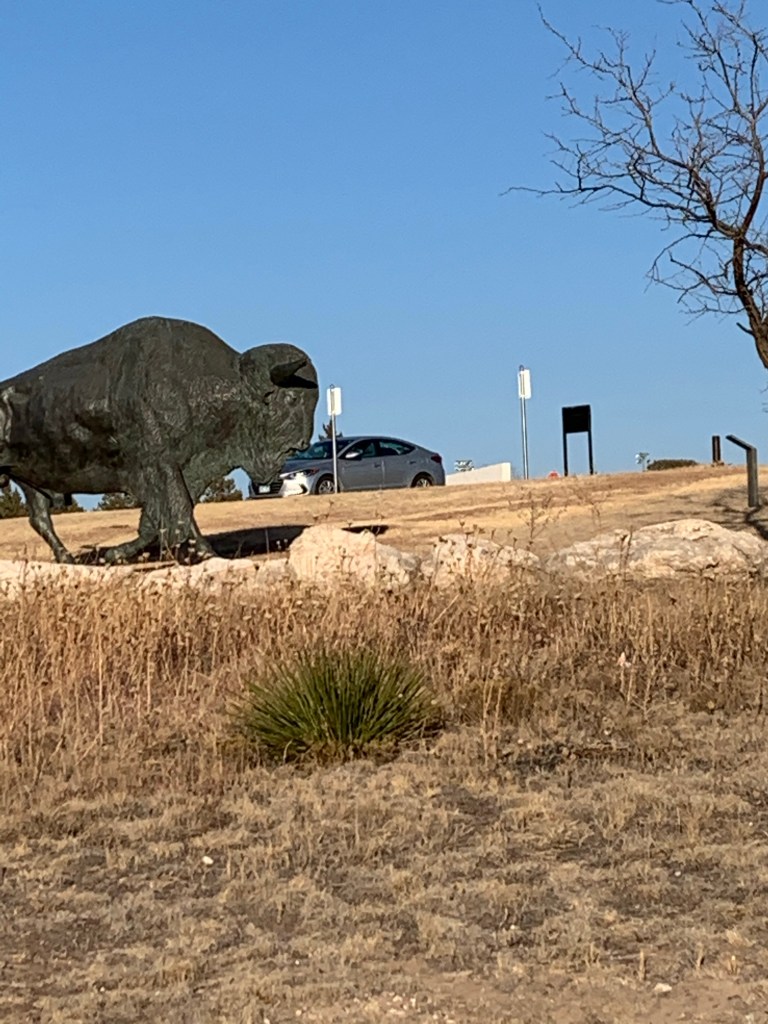
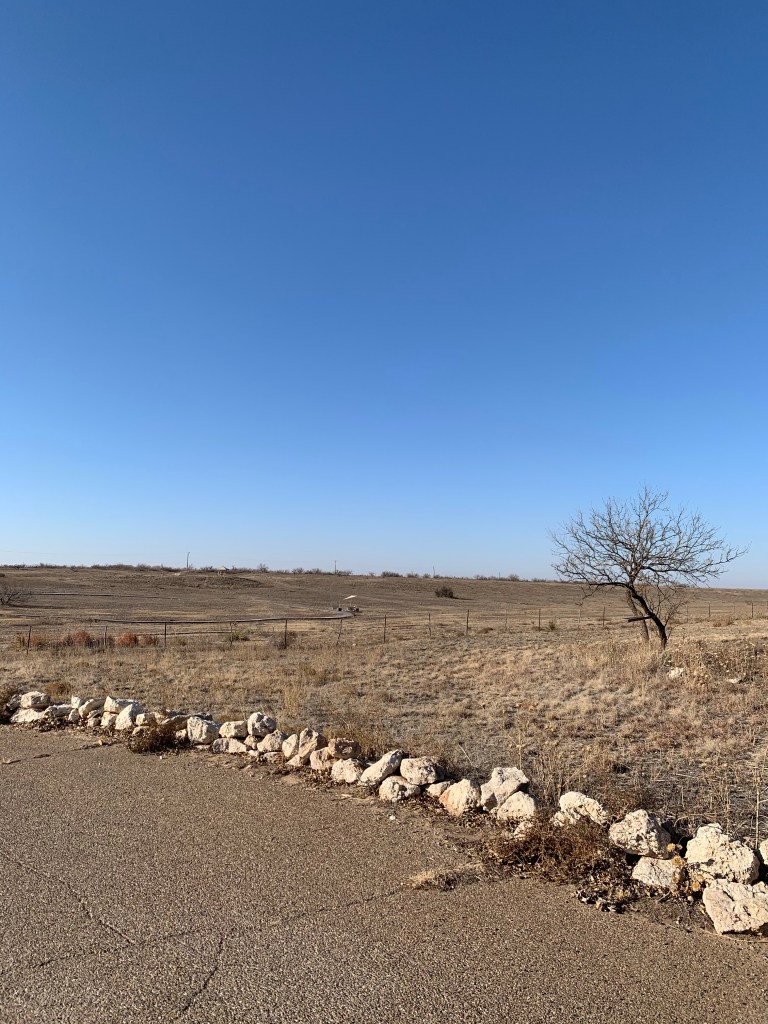
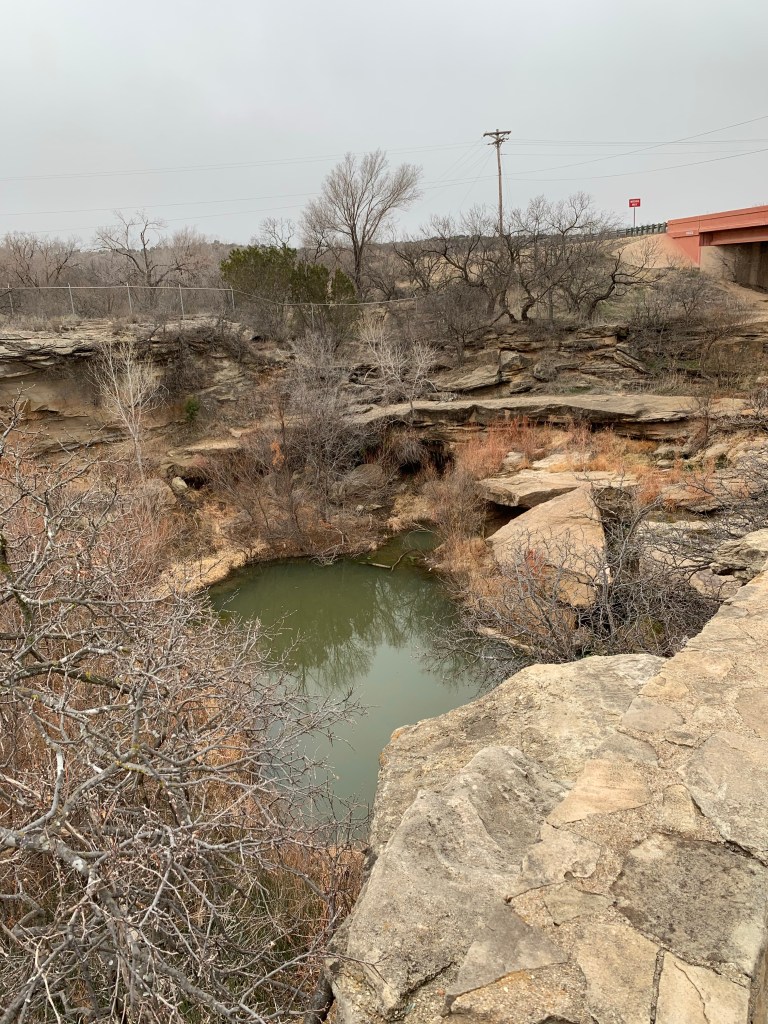
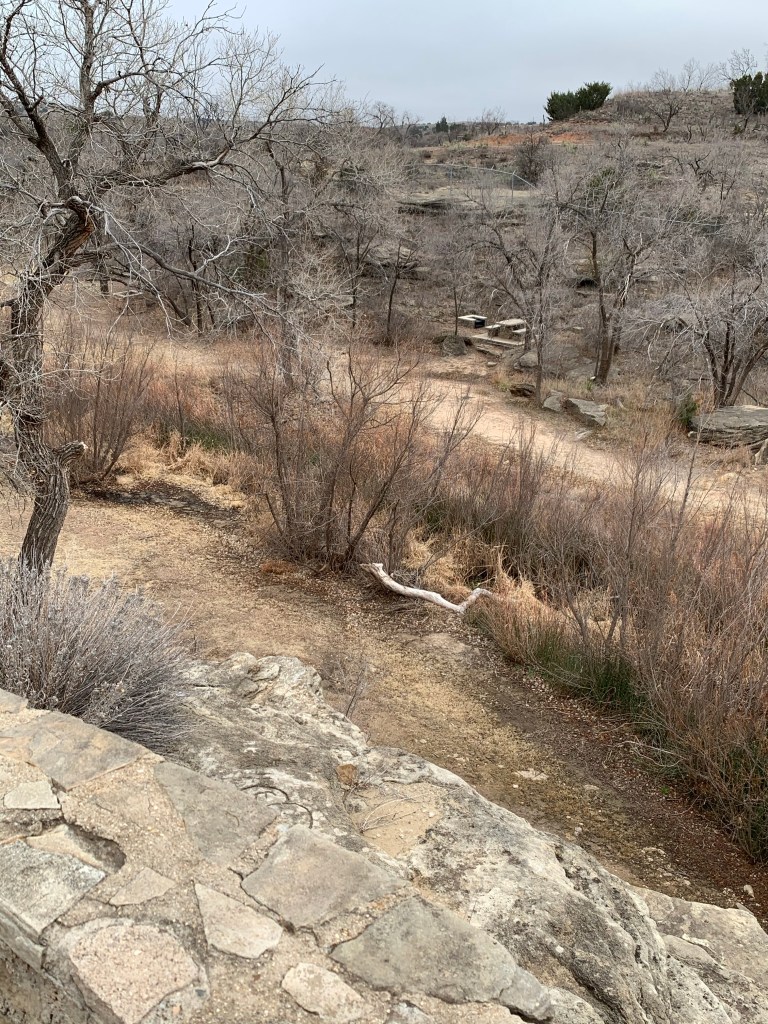
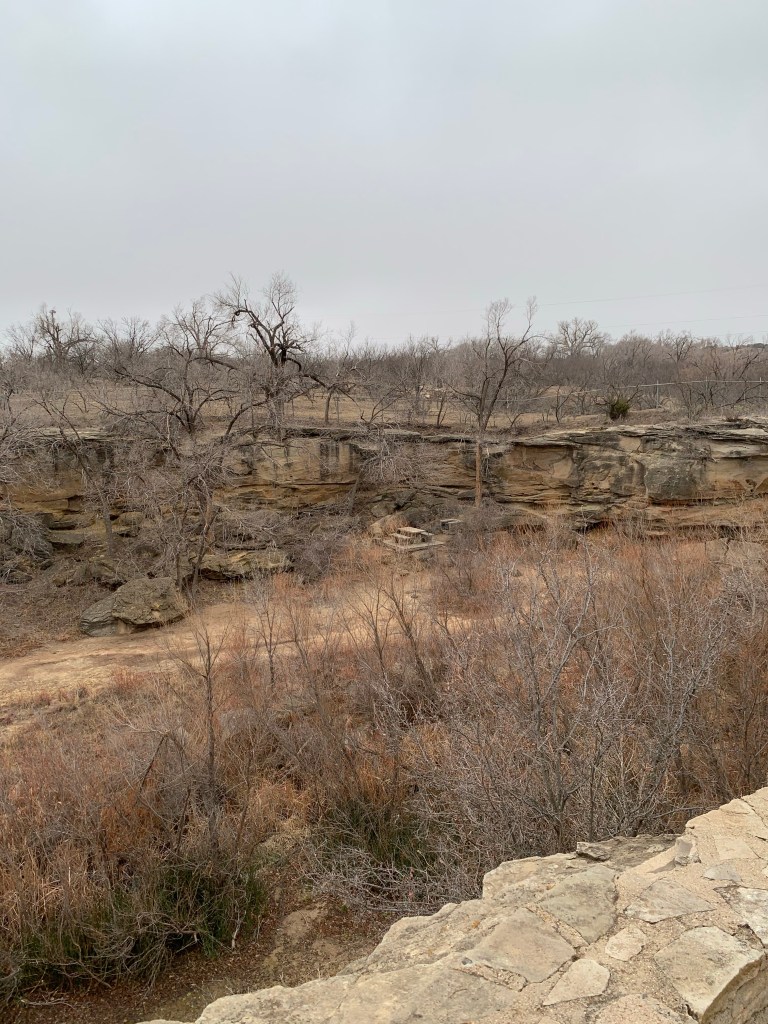
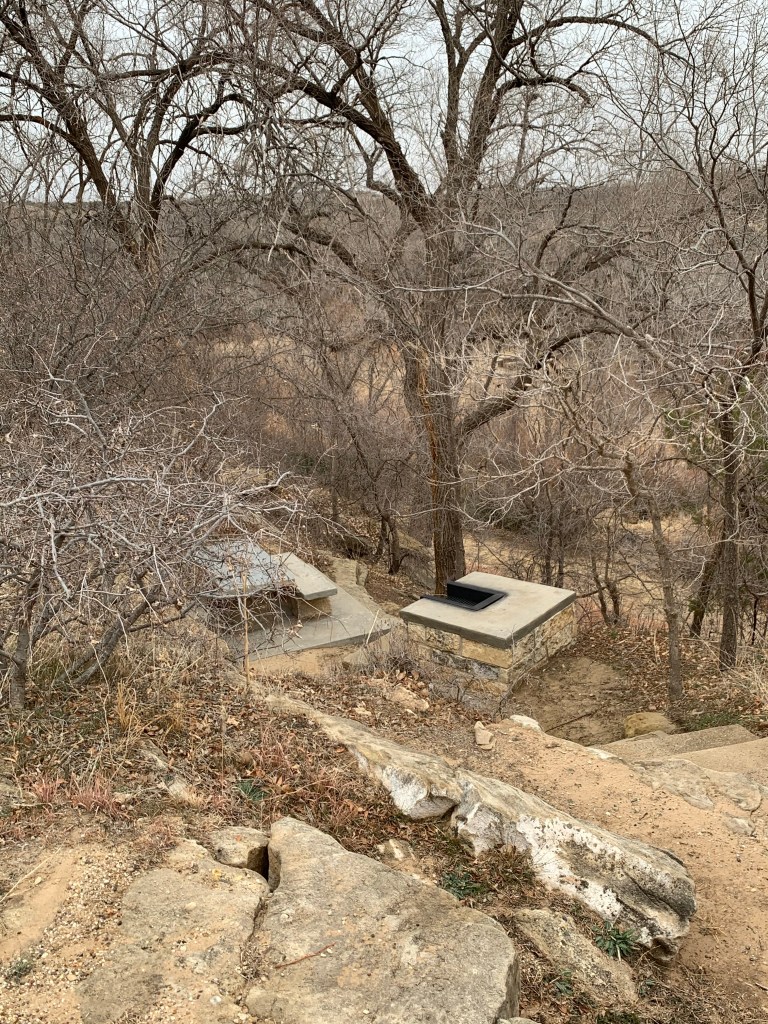
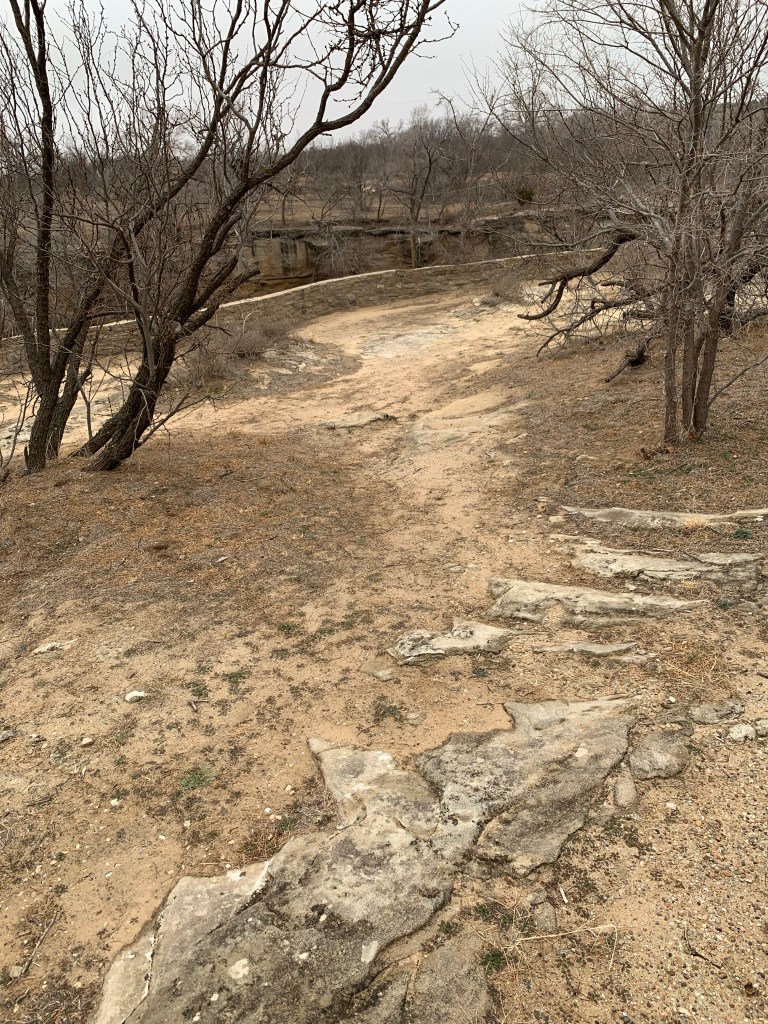
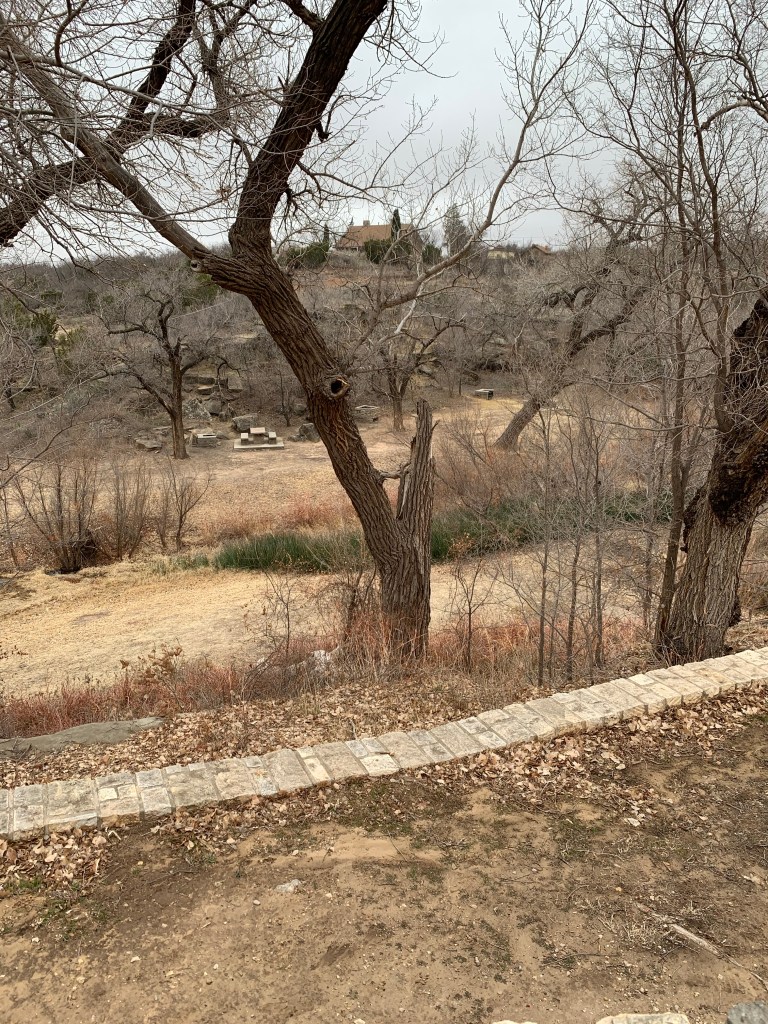
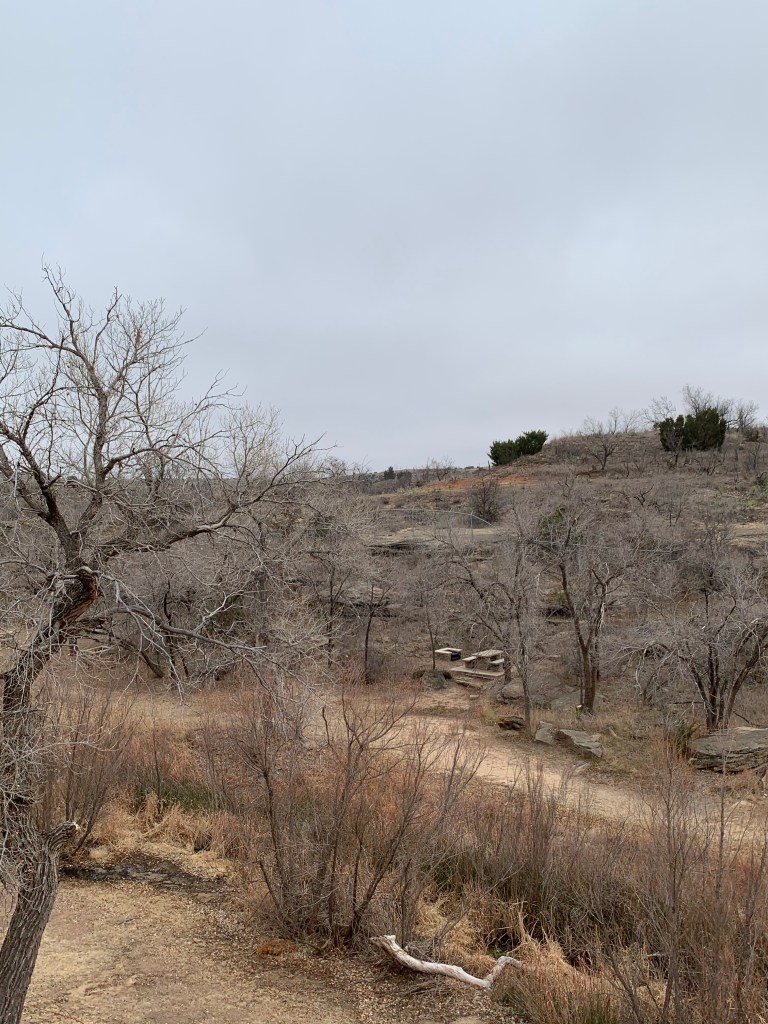
I visited Blanco Canyon at the White River to fnd that it was now a rest stop and visitor center on U.S. Highway 82 about 34 miles southeast of Lubbock. I was struck by the great effort that was spent in stamping (another word for “staking”) the presence of the State of Texas all over this rest area. From well adorned stone walls and large picnic tables with the Texas star in the center all through and even down to the White River to the multiple flat rock viewing platforms, it seemed like the State wanted to make sure every inch of that space, arguably a space of military failure for Texas and budding “America”, was staked out as a place of honor. Indeed, reading the account of the “battle” on the Texas road marker (above), the reported account does its best to obscure that the Army was caught by surprise and that they were routed into a retreat.

The account of history by historians takes pains to leave little doubt that this space was now owned by the eventual victors from Comanche “terror”. It set in context to me the name of the river, like a metaphor for the coming staking of this majestic land as ceded to its new owners, themselves a “river” of White for generations to come. It is something I have recognized, especially among anglo Texans throughout history, to do their best to stamp out any evidence of earlier failures and assure their claim to supremacy. It is a vindictive effort at vindication of their perceived power over history.

Erosion and Recovery of Truth Along the Staked Plains

In both cases of Lubbock Lake and of Blanco Canyon, layers of earlier life and the lives of people in history have been revealed with the passage of time either through the eroding landscape showing who was there and their mark upon the land or by the stamping of a layer to hide what had happened, shoving “under the rug” a failure to establish a more hidden truth; that not every result was a pristine march of victory. That march is layered in a half truth of eventual military victory when the truth is that the Comanche were ultimately defeated not by military prowess alone but with the added success of White poachers that destroyed the buffalo herds–to call them “hunters” is to stretch the meaning given the relatively easy work one can do to ride up to buffalo and shoot them. That along with the weakening of the Comanche by disease like all other early peoples.

Layers of the truth are removed over time. Like a river cuts what seems like a flat interminable plain into canyons revealing all the history layered one on top of the other, I have found revealed my own different layers. From the fears at the bottom of a recurring dream to a search not for a single “heart of the matter” but the kernels of a seeded heart nurtured by the richness of the many different lives I’ve lived; the stamping of passion, intellectual growth, and lost memories that brought me pain as well as wonder. Layers that can only be seen when riding through distant histories of long dead ancestors and the reflections on my own history as the sands upon the winds, and the miles, go by.

I am roughly halfway through what I am sure is just one stage of a curious journey into time. And what motivates my heart. I fight the anxiousness to reach completion. It’s better to savor the very time I am takng. Tomorrow is a day best known before its passing. Today was a good day. To remember.

Odessa (Texas): What Time Fills–A Pandemia Chronicle

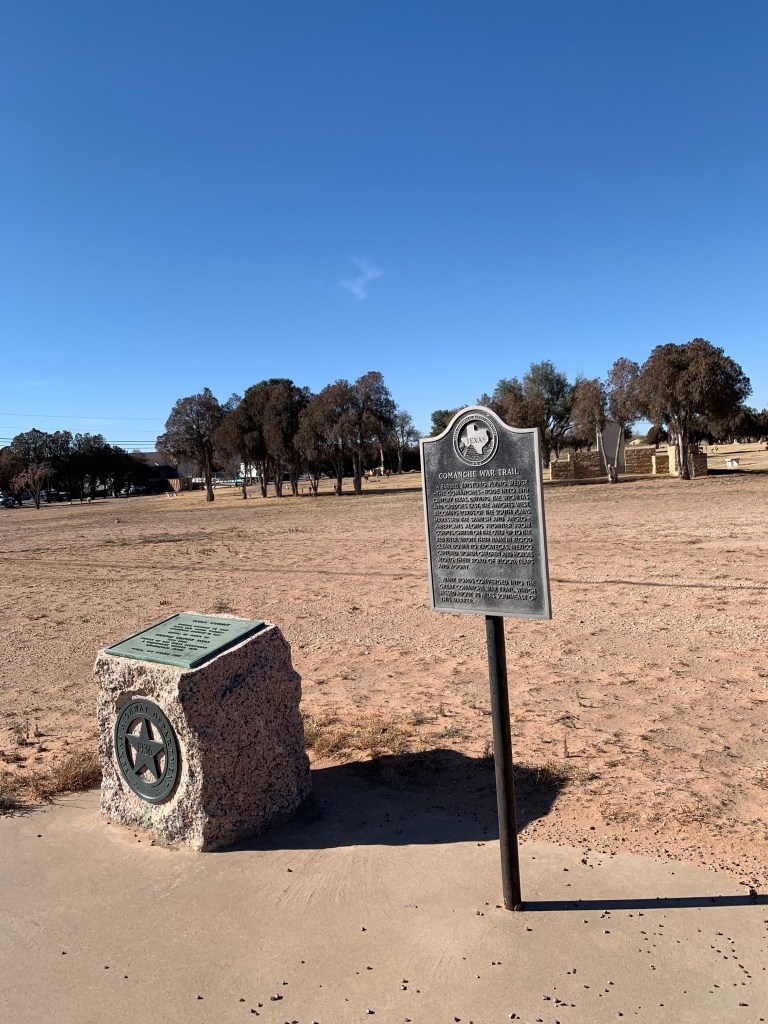
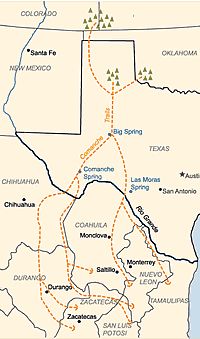
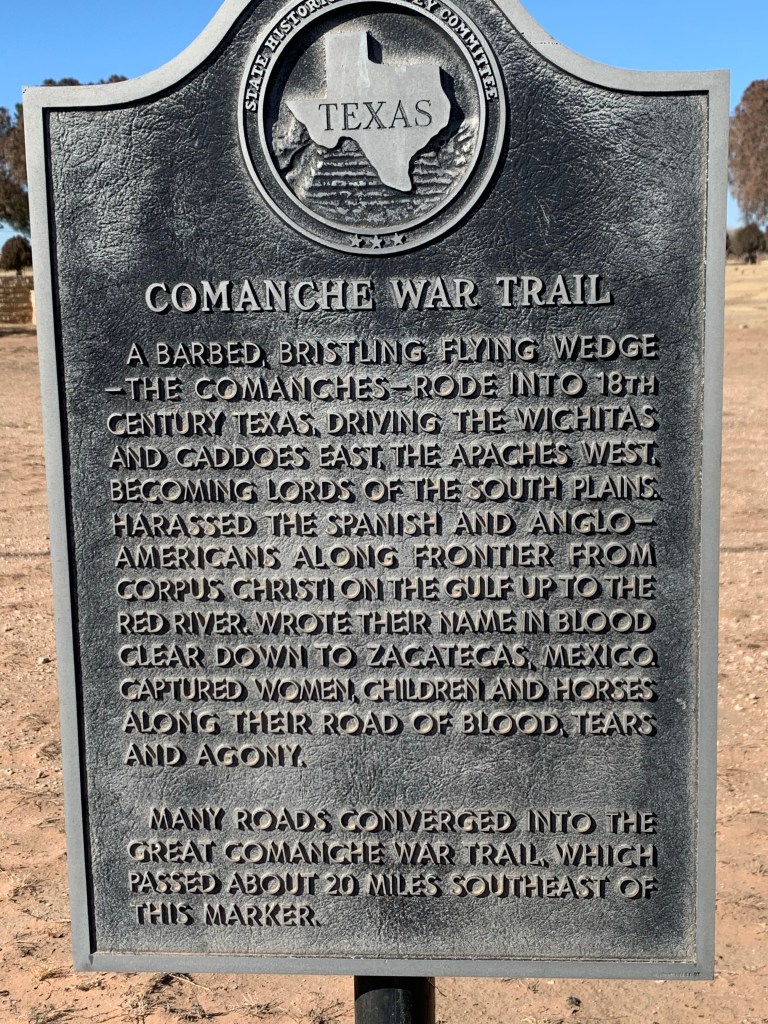
I’m not really sure why I decided to stay over in Odessa. It was meant to shorten my trip between the Big Bend and Lubbock. The majesty of Big Bend and its centrality to the Comanche territory was–is–a hard act to follow. So many thousands of years of forgotten history and so many thousands of people who had inhabited and commanded in the “uninhabited” Santiago and Chisos Mountains. And then the brief but deadly entry of Spanish, Mexican, and Texas colonists. It seems logical now that my travel to the Big Bend would take me to the beginning; up the Comanche Trail

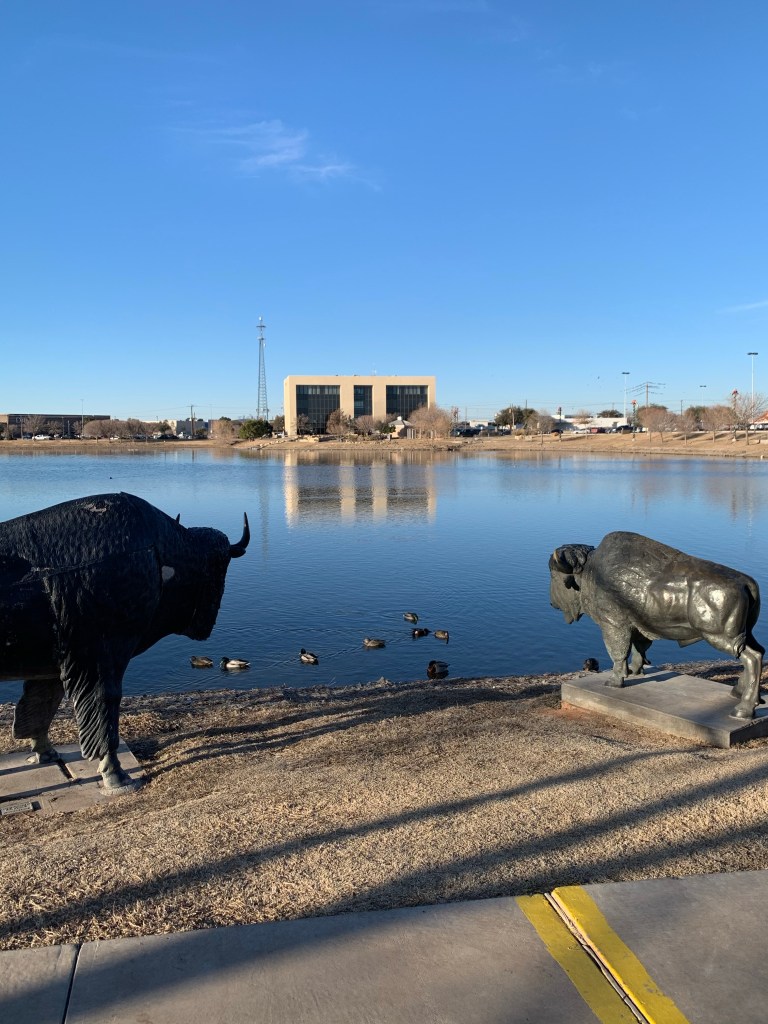
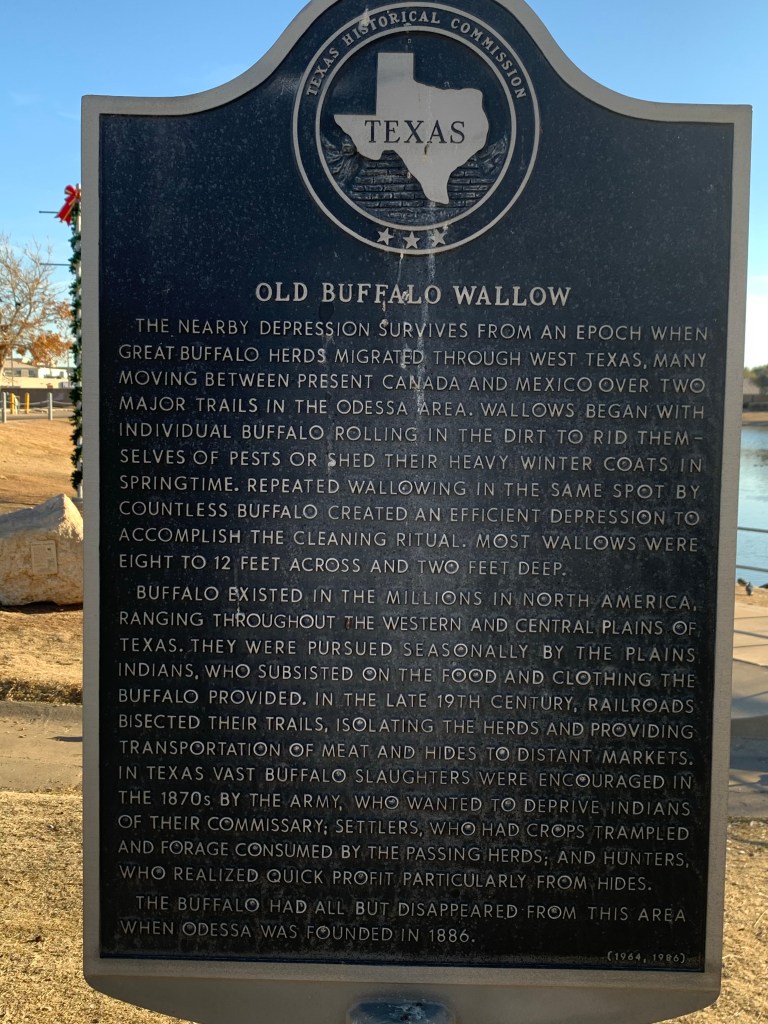
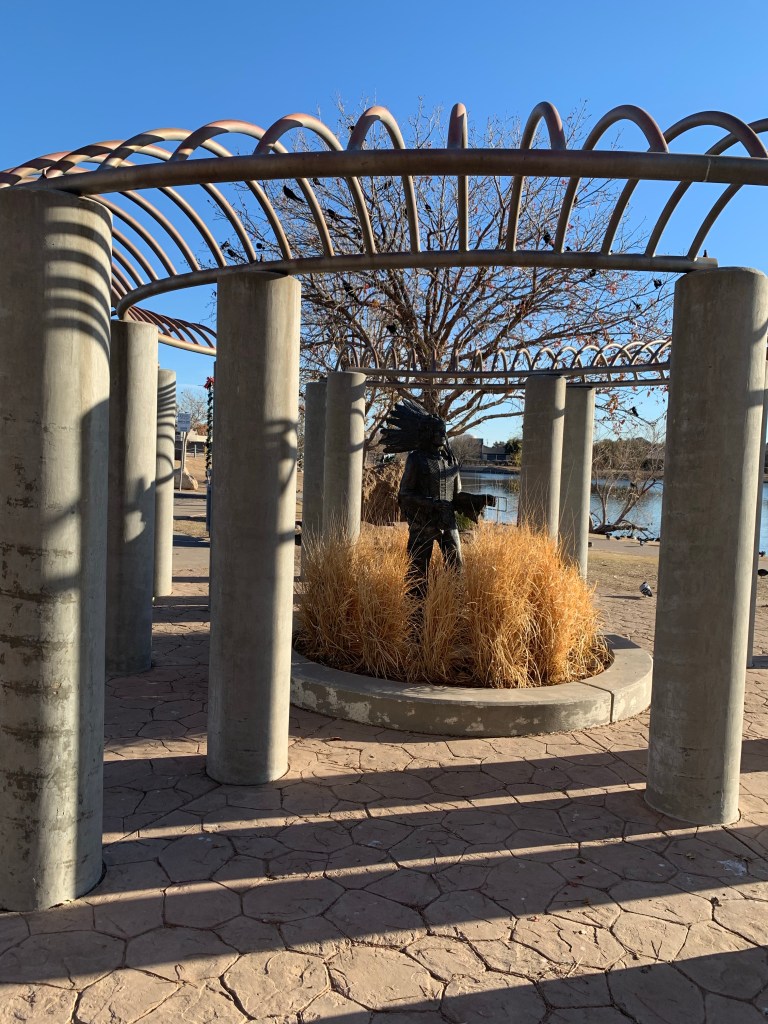
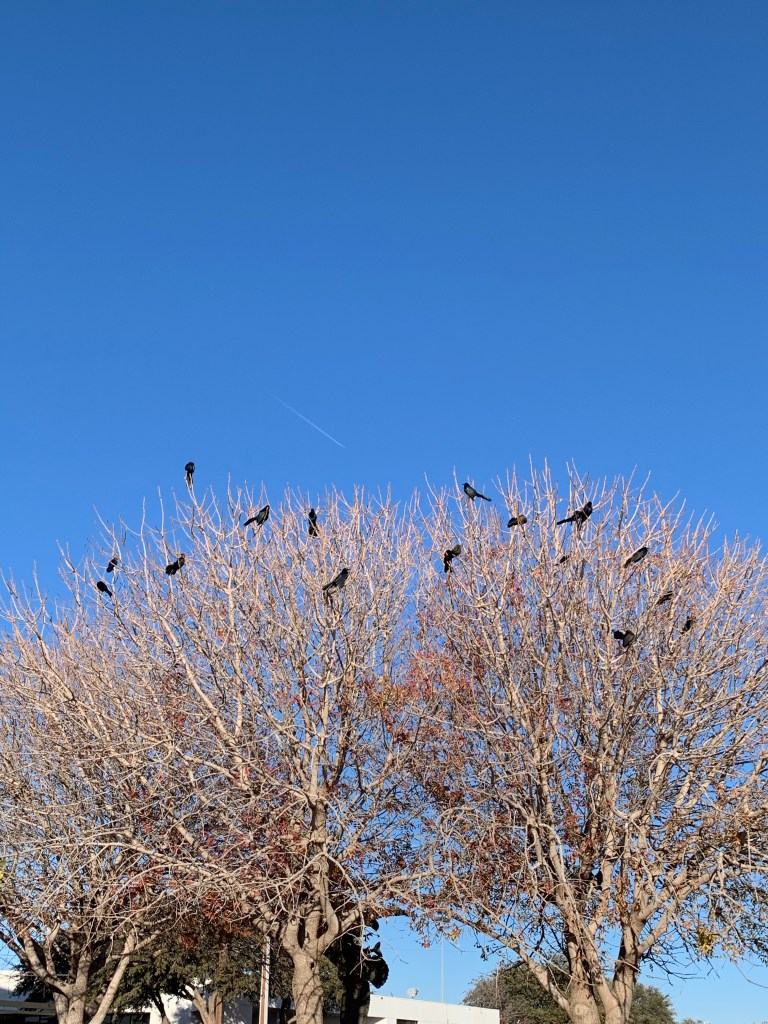
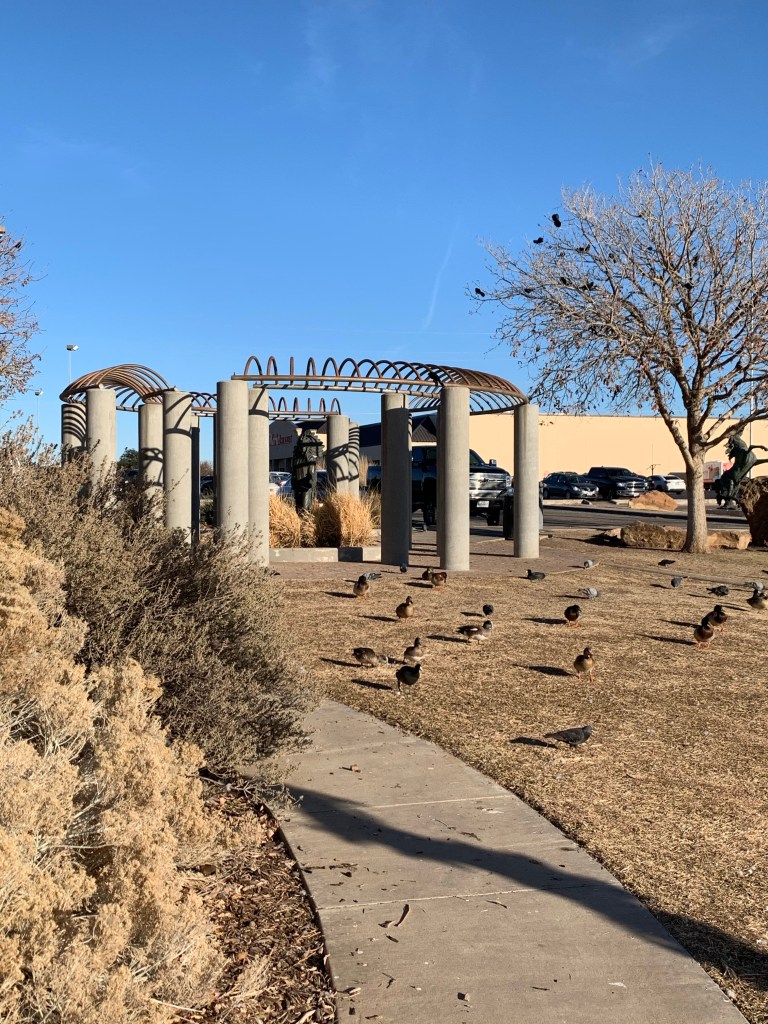
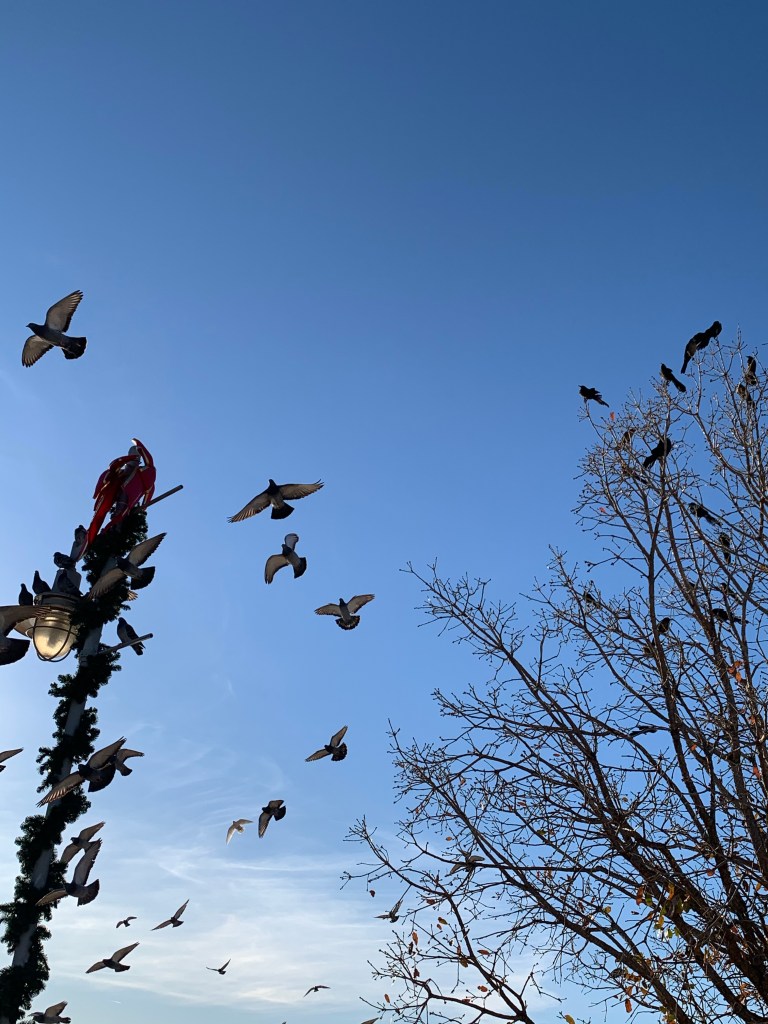
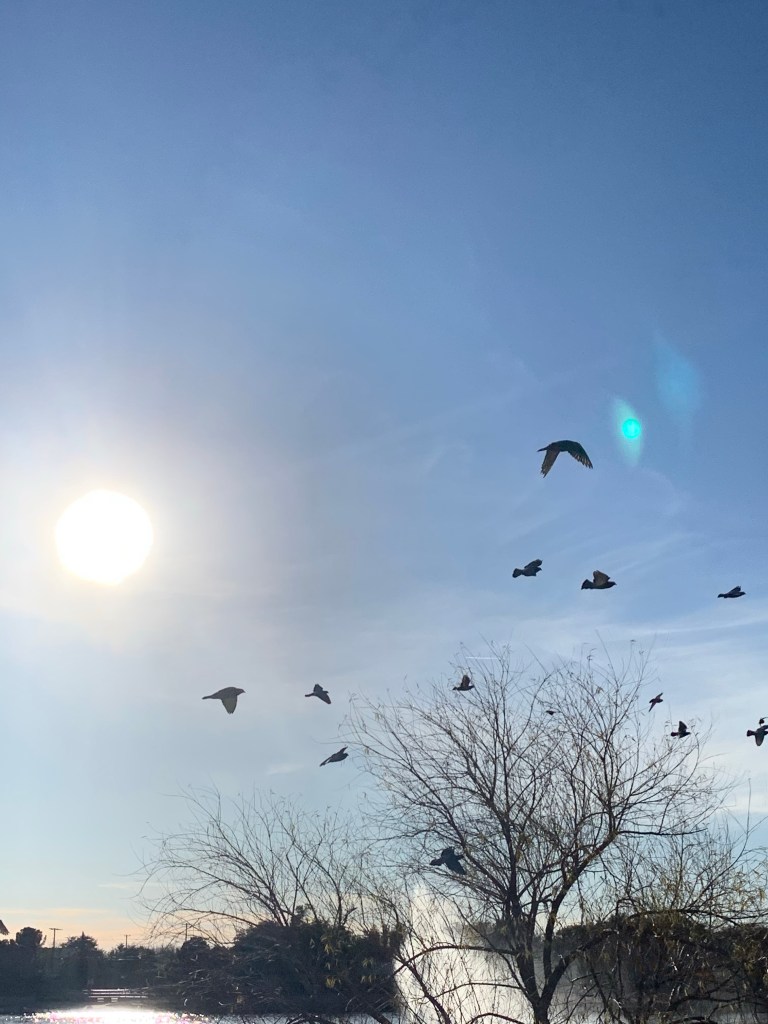
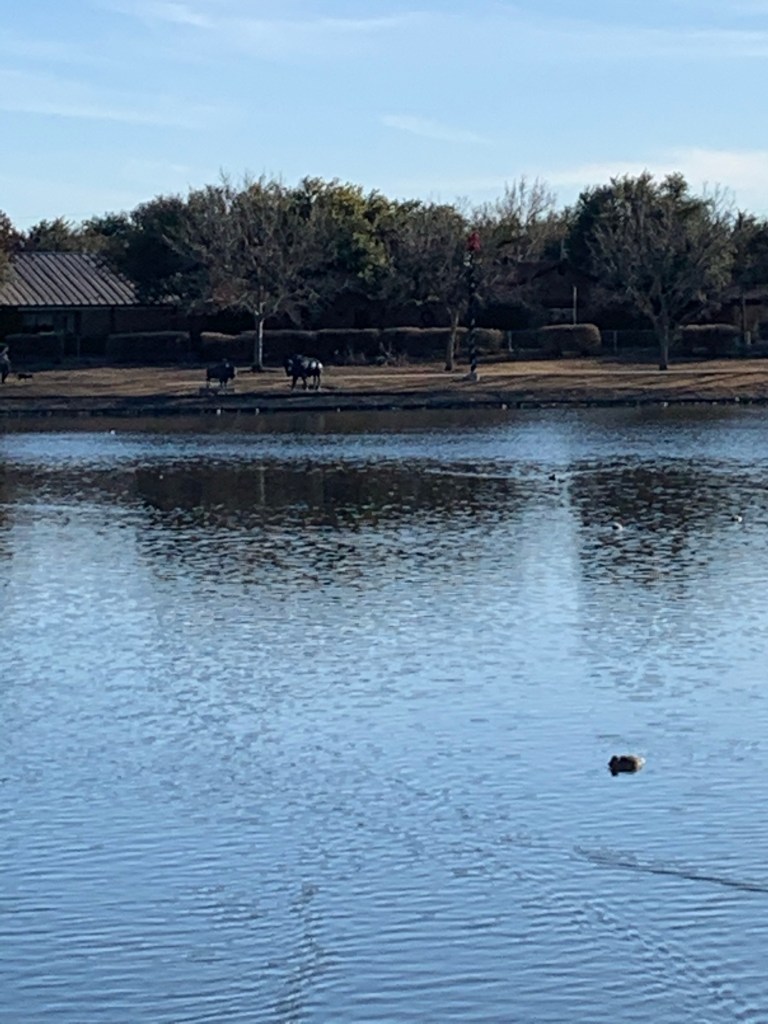
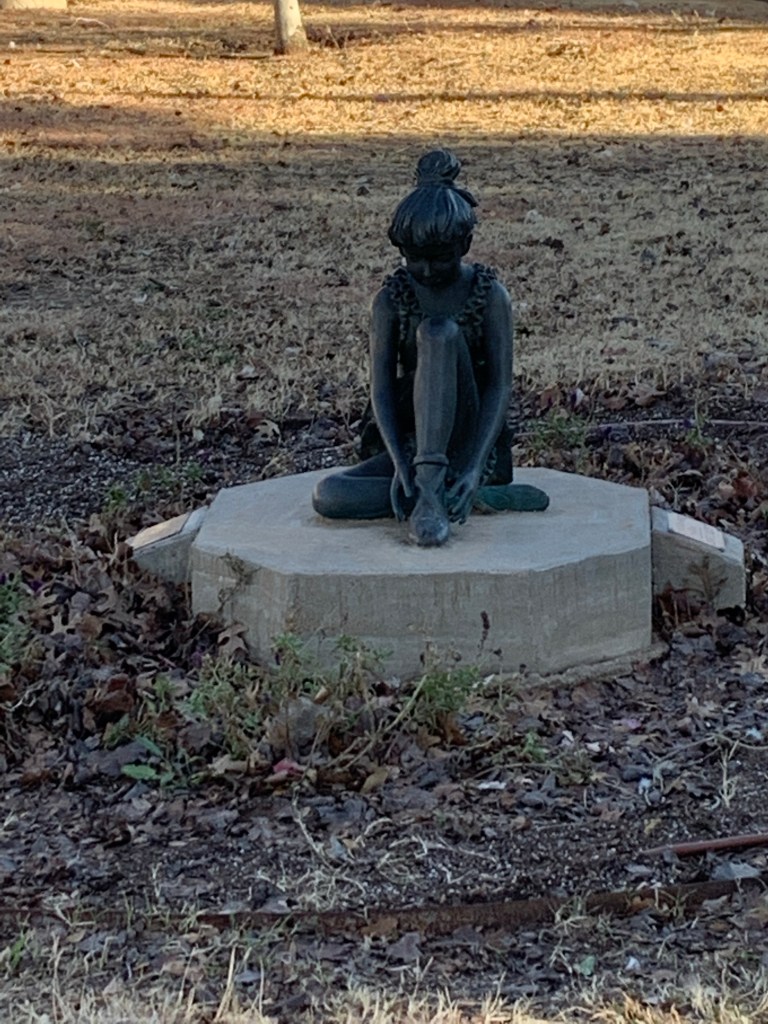
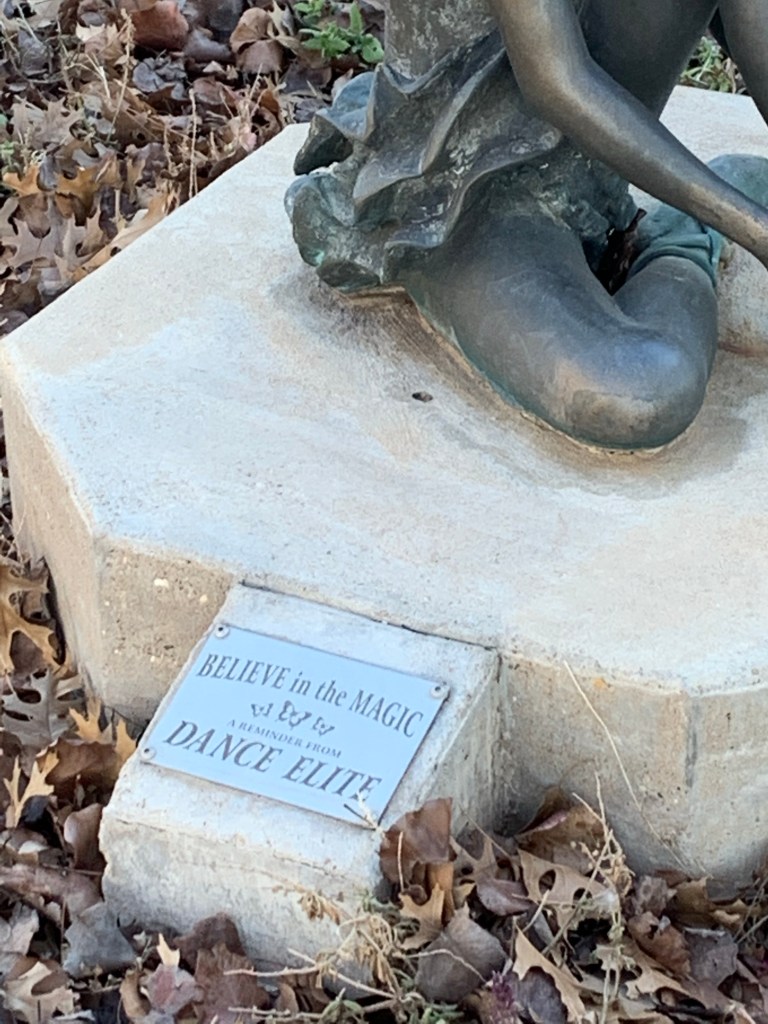
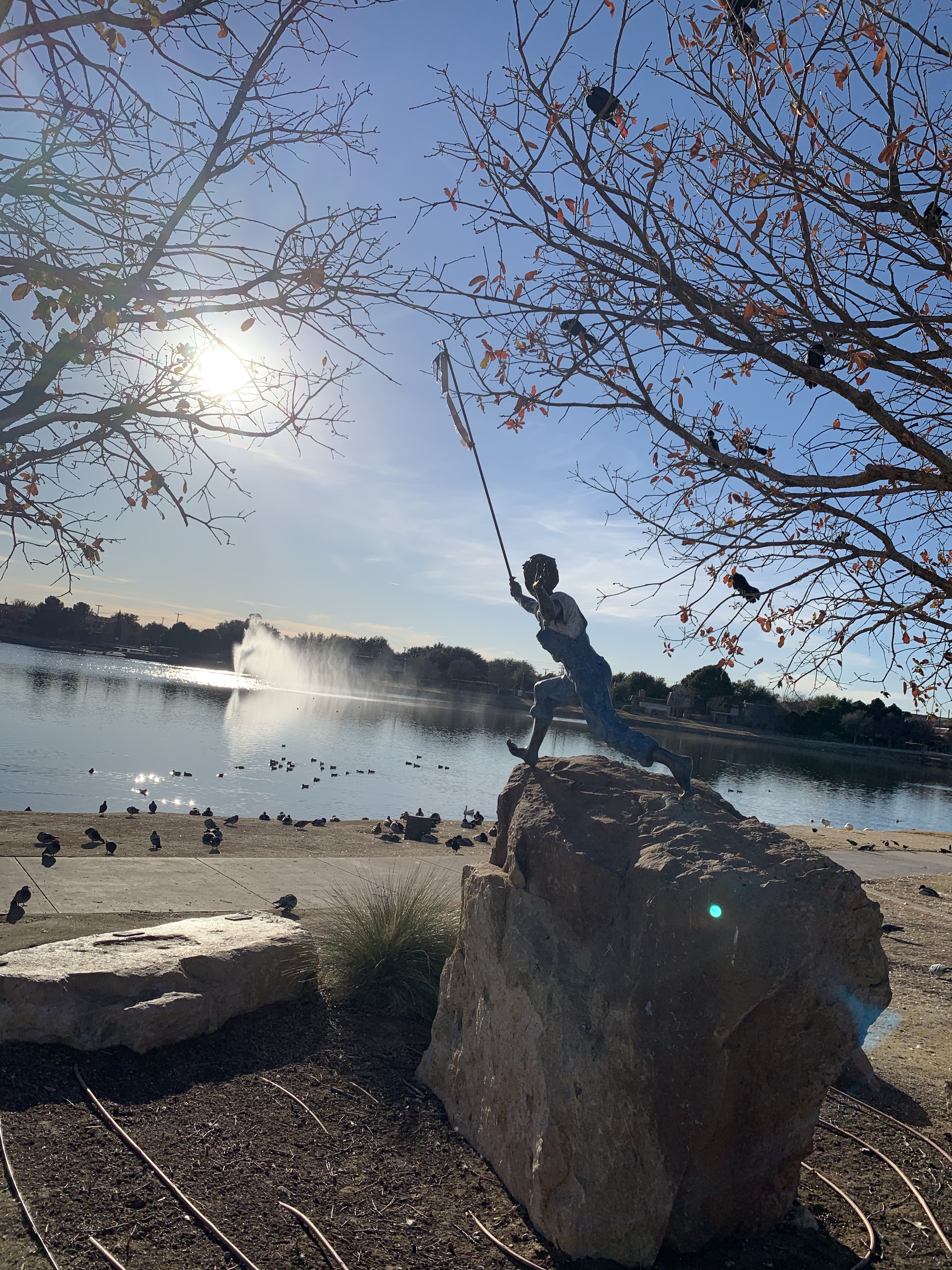
Odessa is situated as a part of the vast sea of grasslands that is the Permian Basin and now the sight of large oil reserves. Odessa’s origins are unremarkable as a cattle watering stop and shipping point named by the Russian workers who came to build it (appearing much like the steppes of their native home of Odessa in souther Russia). The Comanche roamed this territory hunting buffalo and, of course, as the road they took on their way to the south through the Big Bend and north to their home grounds at the base of the adjoining Llano Estacado in places like Blanco Canyon and Yellow House Canyon around what is now Lubbock, Texas. The Comanche hunted here because of the buffalo migration route. Near the Odessa city center is a “Buffalo Wallow”, what used to be a large depression in the ground where buffalo during their migration would lie and roll around in the dirt to rid themselves of parasites and their winter fur. Today, the buffalo wallow is gone and in its place is an artificial lake and a children’s garden. And lots of duck, geese, pigeons and blackbirds. The wallow has been filled by time and the city’s runoff.

A Meteor Crater Filled by Time

As I was coming up on Odessa, I spied a sign for the “Odessa Meteor Crater”. . .You know I had to go.

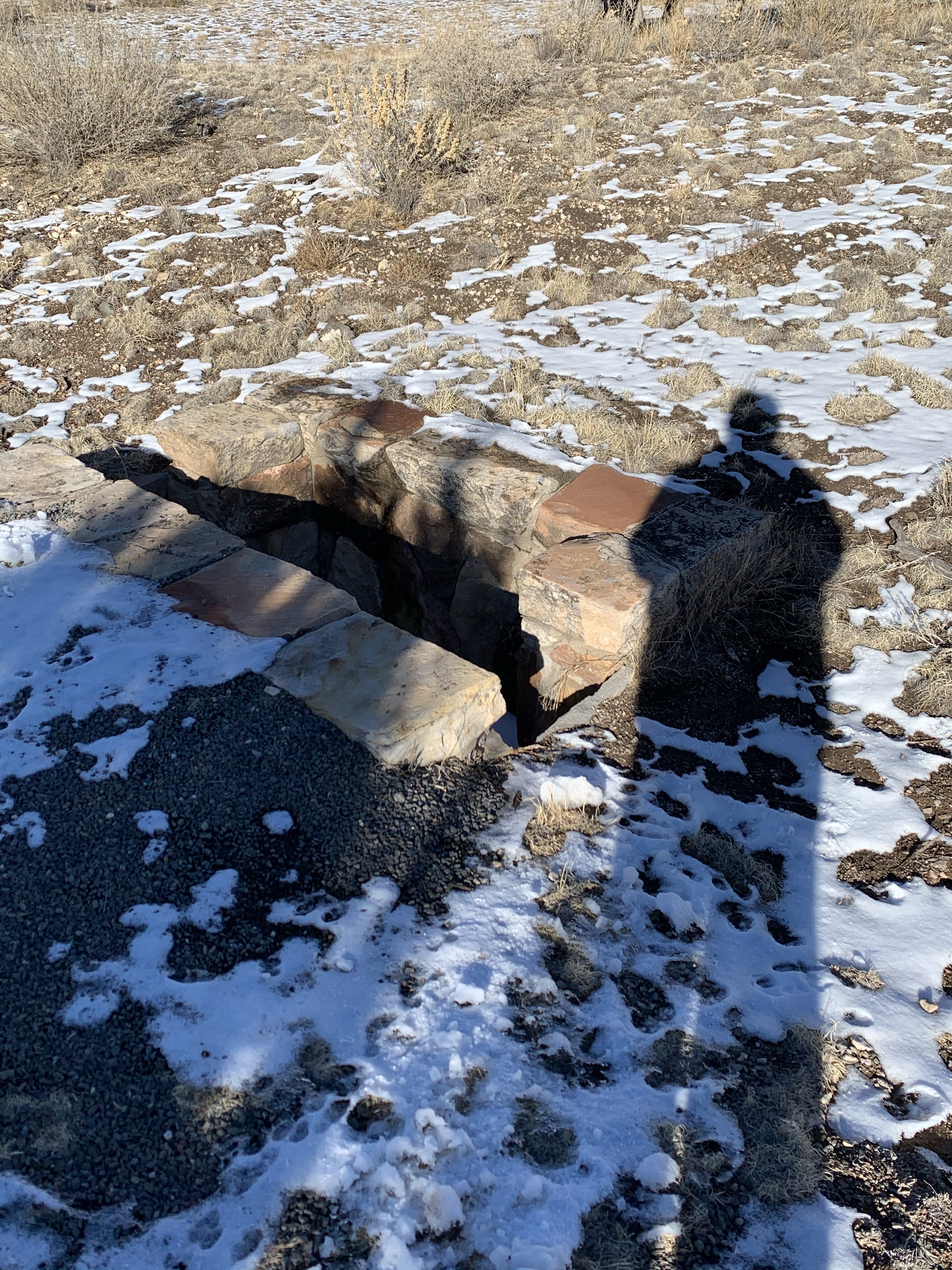
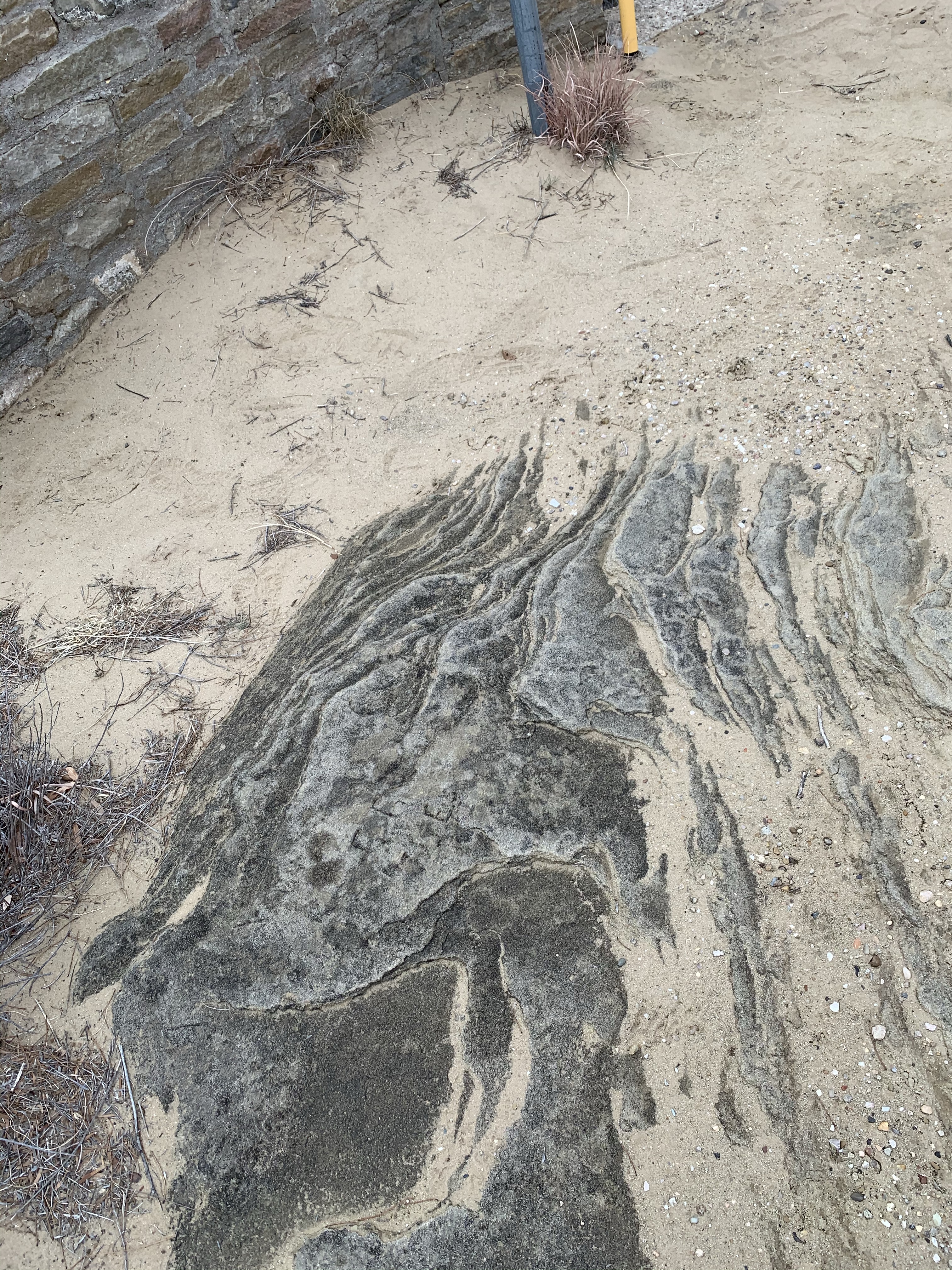
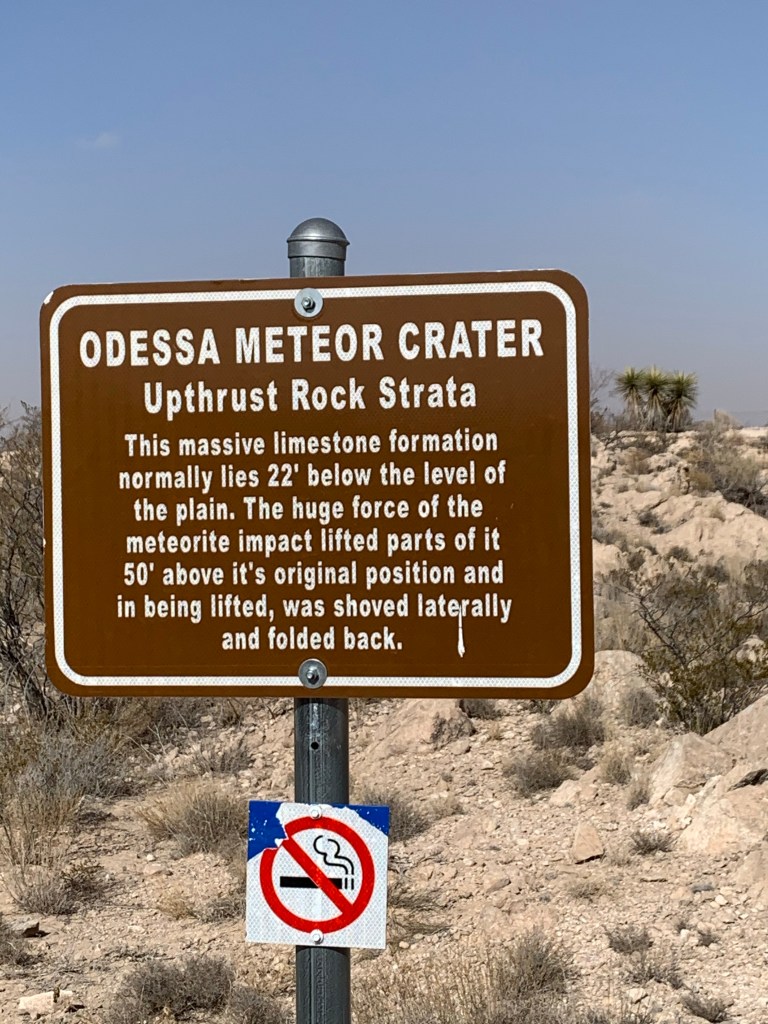
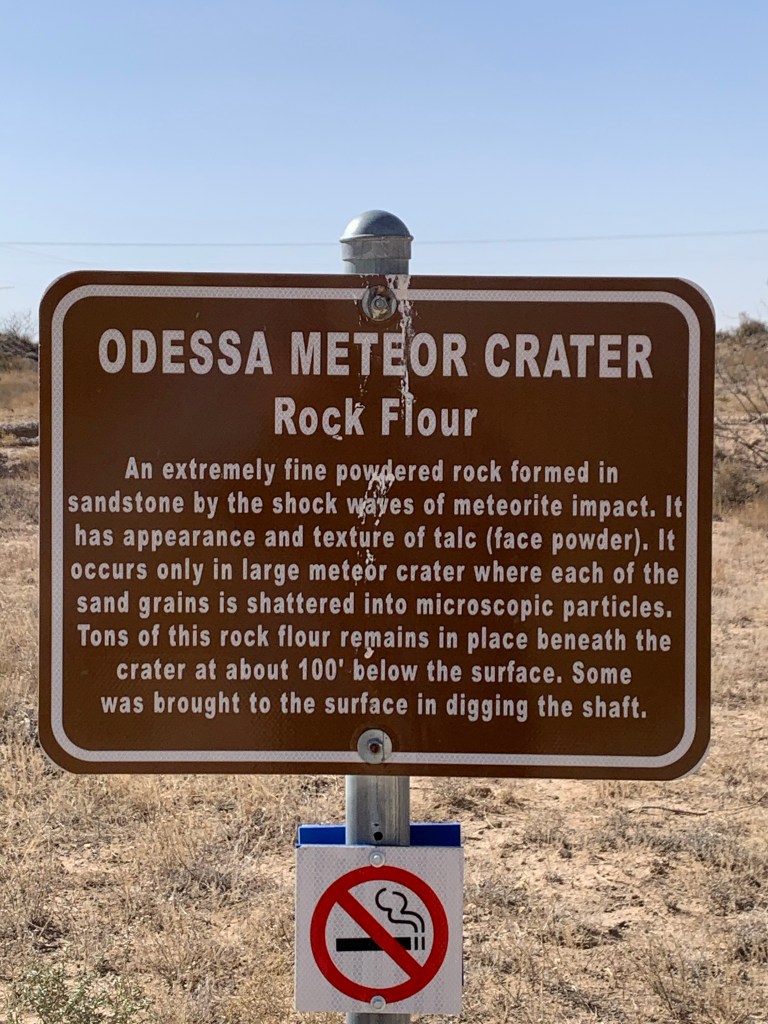
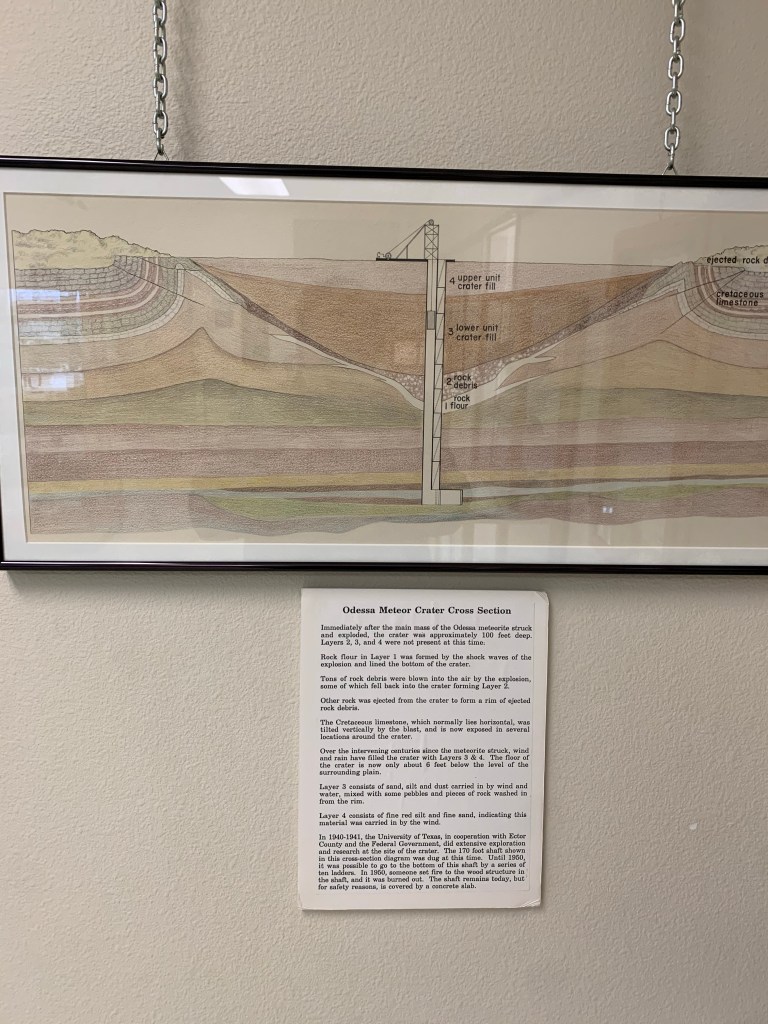
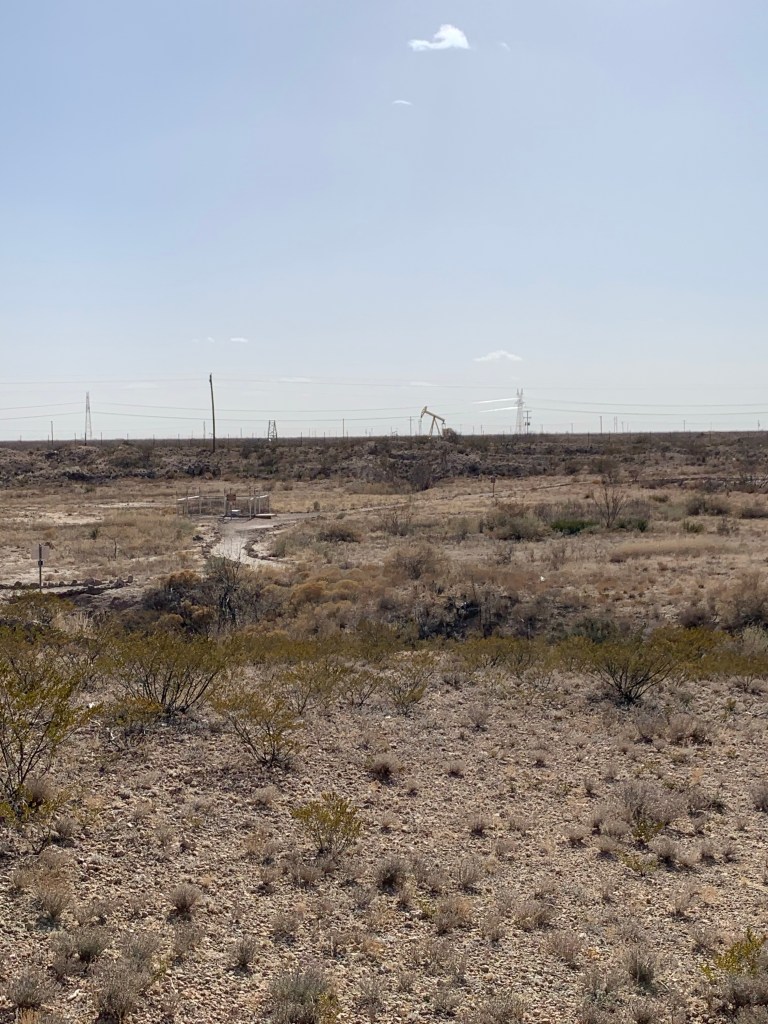
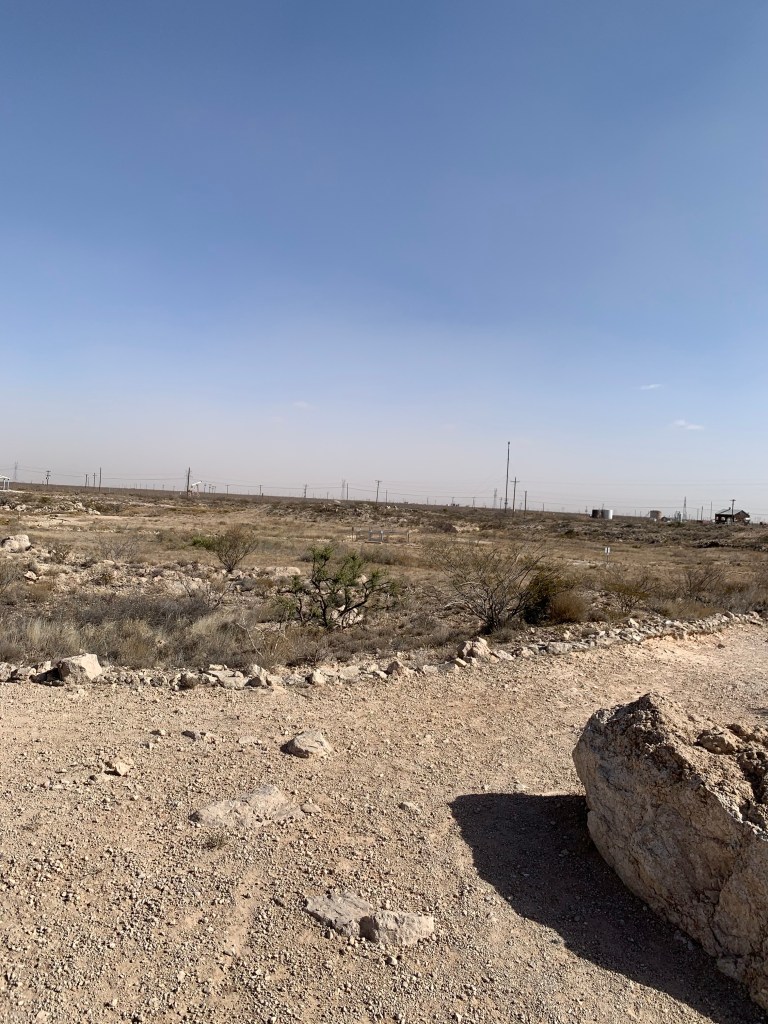
It turns out that about 20,000 years ago, a relatively small metallic metorite struck the unassuming grasslands and Wham! Instant, literal, dust bowl; when a meteorite strikes, it creates a fine powder of “rock flour” from the shattered sandstone. Over time, the crater has filled with sand and plants to create only the outline of the impression in the dust. For some time, researchers thought they would find a solid core of the metal but it appears that the metorite broke up and created a several craters close in from the main one. There is a shaft where people dug deeper to the center of the impact, but they never found the “heart”.

A Time Filled With Life

Somehow, I found a metaphor in this meteor story. I sometimes feel that on this journey, I am searching for the “heart of the matter”, that one big piece that will explain my life, my universe, my everything–those of you who know about Douglas Adams will likely get the reference, my search for the question to the answer, which, of course, is 42. I think that just like the pointlessness to Adams’ query, the question, or the answer, may not reside in the mythical heart that I’ve been seeking to find. Perhaps, just like the multiple fragments of Odessa’s meteor(ite(s)), there never was a single heart, especially at impact with the vagaries of life? Perhaps, instead there have been different little pieces and they reside within the several lives I’ve lived, Hippie football player, musician come antiwar activist, revolutionary socialist, dancer, singer (again), teacher of children with disabiliites,, research scholar, husband, father, teacher of teachers, singer/dancer/narrator, student of history and time. And, just like time has a way of filling impact craters, especially in places as ephemeral as sandstone on the prairie, or humans, perhaps the craters in our heart are filled with the accumulation of time’s . . . markers. Perhaps I should spend my time seeking out the kernels that are at the center of each of these remarkable moments in my historical timeline?

I think this journey took me to Odessa to understand that just like me, the Comanche have had many pieces of a full heart. They cannot possibly be just the fierce warriors the world has chosen to focus upon them. Anymore than cruel conquistadores simply meant to bring destruction to the world.

History, at least the kind we’re used to reading, and studying about, has a way of making the lives that have been lived in two-dimensional characters, sometimes full-blown portraits, sometimes caricatures, always just a painting if sometimes even in film. We think about history in the deeds that were done, the reasons, the pretexts, even the contexts, but always just about what is salient.

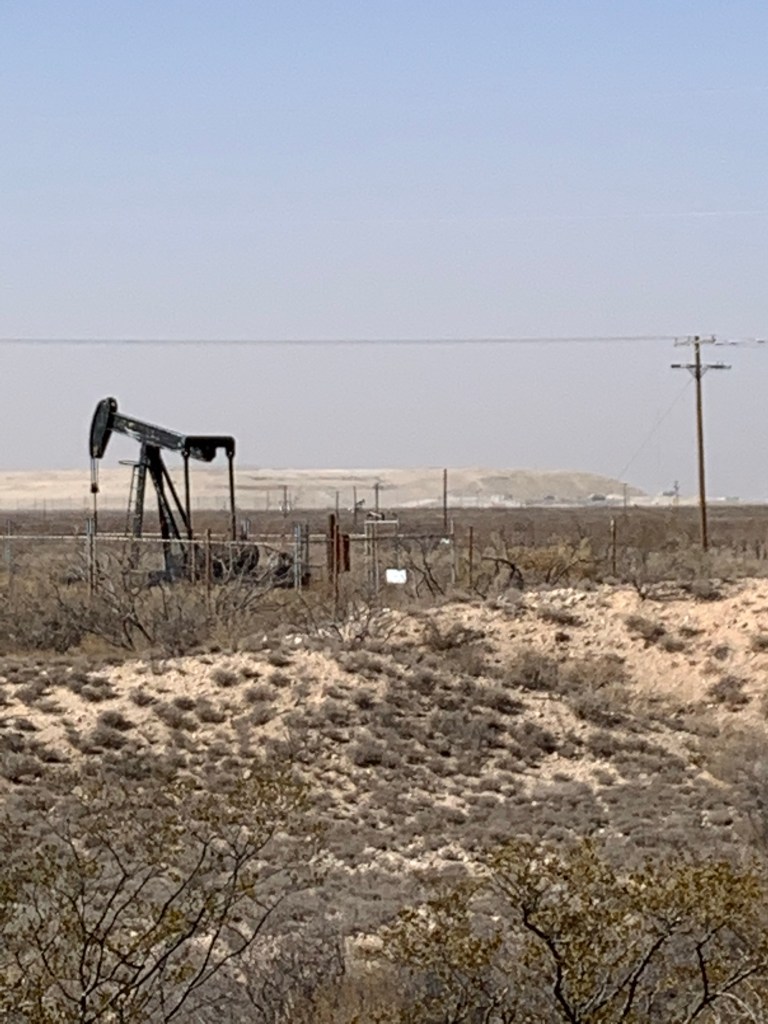
I wonder if we are really to learn from history, we might want to see the less salient, the more mundane, the comedy, the frailty in our character? I thought about that as I wondered what it was to be at a buffalo wallow? Is there something we can know about the lives of buffalo; other than, you know, dinner? Is there something about a Comanche warrior that is salient in what might have been the mundane, or in the times when they may have failed in what they did best? Is my journey just a set of places I have come to visit, or is it also when I tried to find something meaningful when all there was was a meaningless drive across a vast sea of nothingness, stabbed by oil pumps? And then to come upon a metor(ite(s)) crater filled by time and a wallow, now filled by city runoff, where long dead fleas once died a rather silly death from a beast rollin’ in the prairie dust?

Dusty?

So, imagine a couple of Comanche hunters looking to get a few easy kills sneaking up on some buffalo contentedly scratching themselves on the ground, all happy, snortin’ away. Maybe flickin’ a few fleas at one of their partners, “Flea fight!”, fur all flyin in the lazy afternoon sun. The two Comanche, let’s say they’re named the equivalent of “Joe” and “Hector”, see it’s their lucky day, “Yeah, we got lunch for about 3 months” Joe says. “Let’s get up close so we don’t miss, we’re kinda short on arrows”. Hector snorts, “Yeah, you really need to stop wastin’ ’em on the damn Spaniards, just let ’em go next time so they can bring back more horses”. “Yeah, ok, but we need to get these buffalo right now! “C’mon!” said Joe as he started to crawl up close to the wallowing buffalo. “Don’t get so damn close, you’ll spook ’em!” Hector warned. “Nah, just c’mon” said Joe. And, as Joe got closer, the dust started to get a little thick, “Ahh (he tried to hold it quietly)”, “Ahihhh…”, “CHOOO!” he sneezed. . . . . . Years later, Joe finally took a wife and had a few children. One of the boys, while taking a bath in one of the springs with dad noticed this somewhat large holey scar at the top of his dad’s butt crack. “Wow, what happened there, dad?” “It’s an old battle scar when some Spaniard tried to sneak up on me” Joe said. “Hey, dad. Some of the other kids saw some buffalo out in this hole rollin’ around in the dirt, can we go hunt ’em?!” “Leave the damn buffalo hunting for the experts, son. ‘Fore you know it, fleas and fur can get all up in your nose. Just let ’em play .. . . “
I’m just sayin’ that nobody seems to think Comanches did anything but steal horses, kill settlers, and kidnap people. Fearsome warriors, adept at hunting. All that had to happen with a few life lessons. Somehow!

Sublimity

Epiphanies are rare, which is to say that they are common in a world with chaos masking Truth and so much of living is the wading through distraction. . . Imagine how the universe may be rife with them.
You awake to learn that all your life you’ve sought some hoped for other and the hope was just the chance to find another
logical path
from like to love, love to connection, connection to commitment. . . to a sameness perceived as comfort.
. . . . and then you really do awake. It is not what you’ve sought, but what you thought you wanted. And how that thought has led you to a desire for acceptance. When you always were and never needed to enclose anyone to find it. . . . Epiphany
When you live in between the worlds, past and present, loved and lost, wild and . . . modern, Chicano and Latino (which is to say Hispanic), you awake to realize that your heart was not as wild as youth, but as wild as Texas scrub beneath a Comanche moon, dictated by your ability to adapt, mitigated by the fact of birth from two irreconcilable natures.
That where you came was written with horses’ hooves and arrows shot at breakneck speed. A history made from the failure to understand that all of Life’s victories were possible if you’d simply kept riding.
That your strength lay not in gambles but in never stopping. And to learn. To find your time.

To wheel and turn.

I have understood my nature, but not the path it sought to take me.
It is not for me to wait, not to seek, but to ride and in my travels I shall find. And ride on.

She will come. Alongside. If she can.

But that is. Was. Will be another tale where hooves have not written.

Walking the Uncertain

Divergent threads make a loose and unforeseen tapestry. The ancient heart of a future cloaked in wisdom inlaid with traumas deep and painful.
We may see what happens next, but we may not know the outcomes . . .
It’s the problem with the future. There are no guarantees. No confidence that what we do will bring us joy or just further lessons learned to continue walking uncertain paths.
And what of Joy? Is it warm and tender love? Or just friends sitting over breakfast laughing, talking, over things familiar. Or over things uncomfortable yet held in common?
There seems so much history unknown in an amiable conversation. Or in the heated storm of a night with hungry passion. . .
The future is not the only undiscovered country. We Each cannot always know ourselves completely. Nor our nearest hearts adjoining. Not with the minds we meet.
Nor with the breasts we kiss.
All we can but do is walk the ground before us, meet the souls who wish us, touch the hearts who’ll let us.

4.0

There are beautiful souls in this world.
If we just look. And accept what they brought you.
The world has no more need for judgment.
Just your smile for the sunlight and the winter you endured to get there.
 
I forgive . . . .me . . . .You
And will remember . . .
 
The auburns of you that came to me in Fall. The silver of you when you came to me in Winter.
The golden glow I’ve come to find in within my Spring.
 
Sunlight, All.
 
In the bright of day and reflected in an Island moon.
 
Summer’s future’s pass before me
In a twinkling set of happy eyes,
Hope inside a passionate kiss
Sunlit hair, youthful in her promise
Like the dancing smile looking back at you on a dusty bike from a dusty past,
hot as a Texas summer,
Warm as a body connected with you inside your covers . . .
 
as Spring turns to a better day.
Soon coming.
It is not here. But you see your Shine.
Approaches.

Snow Ends

Snow ends and the light goes down.
Frozen water, Crystalled, lying like a blanket protecting the life of a tree.
Crystalled thoughts of music–“alleluia, alleluia . . . .alleluia”–warm my broken heart.
Keeping tears from leaving me . . . and keeping my memories intact.
Sorrow, regret, the pain of love too deep. Flowing like a river hidden in the buried canyon within my lost soul–“dwell forever …in the house . . . alleluia!”–sad, alone; for reason, and remaining true to who, and whom, You are.
Despite your sorrow, the song continues . . .The notes diminish to a minor key juxtaposed in sunshine–“a-le—lyuue–ya”–signifying the light that comes in a still too distant Summer’s afternoon, through the leaves, and brings the promise of joy to a darkened, snow-covered world. . .
The wind whistles–“al le luuuuuu—ia”–swaying the branches of the Tree of Life: You know the one, the one that stands just outside your window, bedecked by crystalled cold. Quiet in her cleansing breath. Leaving no promise. Just the time and its uncertainty. And the knowledge that,through it all, there will be music. And, therefore, the call to remember Hope. Always Hope. . .and, therefore, Always . . . love
I lift my eyes. I lift my voice. . . . and I. Will. Turn.
Amen

Yellow Glass

Yellow glass, golden sunset. Deep green hues, bluish brush strokes
He is here twixt light and darkness, hidden suns in time-strained memories. Reddened streaks where tears once ran.
 
So very far away, there dwelt an angry boy. Large as life. Lonely left on emptied playgrounds.
 
How he wished to be included. Just a boy, Just a man. Just a heart.
 
Driving miles. and years, to deep blue bedsheets and butterfly kisses. A heartfelt youth riding peaks and valleys in a quest for true belonging. For aqua walls and a chamber in a loving mind;
And now, he walks in meditation. Releasing anger like letting go of fear. You will be alright.
Breathing in the light, Breathing out the fear.
Breathing in the scent of radiated passion, Breathing out despair.
Breathing out your kindness, breathing in her acceptance.
At least or so I’ve heard. At least or so he’ll see.
someday

Precious Tender Moments

It’s so painful when you realize that you’ve lived inside a virtual world of your own making.

The pictures in our minds when someone meets you . . .
Flights of fancy, idealized tender moments,
Led you from those very moments 
You go inside a virtual world. Created not by codes and pixels, but by wishes, what we dreamed of long ago.

We kiss–you’re there, She smiles and you leave dreaming
We dance–our scents fill you. Your heart screaming, you recall a song–inside your head
Imaginary music to replace a fulsome, sensuous silence
More precious wordless than any lovesong. Ever

It’s when you lost her. When you left. What you missed when you did not see.

I can’t replace this lost past. I’ll find new tender presents.
Don’t be deterred by pain from lost refrains, felt not spoken, tasted, not sung.
The real world of love is more beatiful in what you see and feel right there.
It’s what you’ve always sought. It’s where she’ll always be.

If You Walk Long Enough in the Wild, Will You Run Into Yourself?

The great thing about life is you can always start over. You can remake yourself, you can think about what you’ve done, really think about it and you can either change or do the same.

And, neither of those is the best choice.

The best choice is to understand WHO you are and BE that person.

Thank you to all of you for how you influenced me, to take me toward my best self, even if you led me away.

Both were/are important. We can’t find ourselves if we don’t intersect with the world, if we don’t search, if we don’t test our boundaries, which are just the edges of our connections with each other. A boundary is not a border. It is a gateway to the hearts of each of us. We can’t give of ourselves if we don’t know what we have and who we really are.

Most important, breathe. Start with love.

One more time.